From Molecules to Organisms: Structures and Processes
- Animals
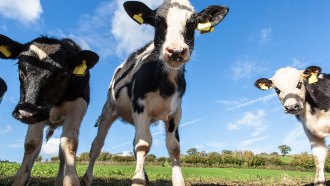
Analyze This: Cows burp less methane after early-life treatment
Calves that receive the 14-week treatment belch less of the greenhouse gas, possibly due to shifts in their gut microbes.
- Brain
Scientists may have finally found how catnip repels insects
The plant deters mosquitoes and fruit flies by triggering a chemical receptor that, in some animals, senses pain and itch.
- Brain
Scientists Say: Neuron
Neurons are the foundational cells in the nervous system. They pass along and process information using electrical signals.
- Health & Medicine
Teen depression linked to how the brain processes rewards
Depression in teens alters their brains’ pathways in ways that may put those kids at risk of lifelong mental-health problems — unless they get help.
- Animals
Scientists Say: Egg and sperm
An egg or a sperm cell contains half of the normal genes an organism needs. They fuse together to form a new individual.
- Health & Medicine
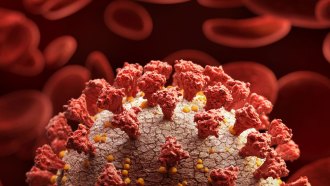
Some microbial hitchhikers may weaken body’s attack on COVID-19
New research identifies an altered mix of microbes in the body — ones commonly seen in people with poor diets — that may worsen coronavirus disease.
- Brain
Active bodies build stronger brains
Aerobic fitness and physical activity correlate with widespread brain health in adolescents, according to a new imaging study in England.
- Health & Medicine
Some young adults will volunteer to get COVID-19 for science
Researchers will soon give some healthy people the new coronavirus. Their young volunteers have agreed to get sick to speed coronavirus research.
- Brain
New technology can get inside your head. Are you ready?
New technologies aim to listen to — and maybe even change — your brain activity. But just because scientists can do this, should they?
- Animals
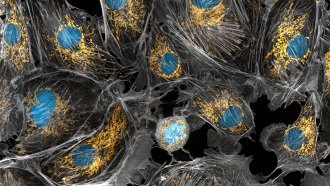
Scientists Say: Organelle
An organelle is a part of a cell with a particular function. Like organs. But for cells.
- Health & Medicine
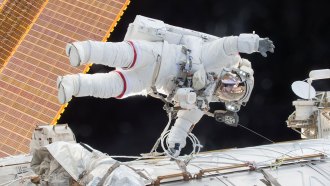
Space travel may harm health by damaging cells’ powerhouses
Biochemical changes after going to space suggest that harm to cells’ energy-producing structures, called mitochondria, could explain astronauts’ health issues.
- Animals
Explainer: Insects, arachnids and other arthropods
Arthropods are all around us, but identifying them can be hard. To start, look at the four main groups: chelicera, crustaceans, myriapods and insects.