HS-ESS3-4
Evaluate or refine a technological solution that reduces impacts of human activities on natural systems.
- Ecosystems
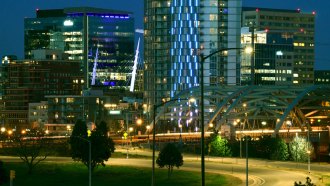
Cheatgrass thrives on the well-lit urban night scene
Middle-grade campers team up with ecologists at Denver University to show that streetlights boost the growth of a reviled invasive species.
- Materials Science
Tiny swimming robots may help clean up a microplastics mess
Big problem, tiny solution. Researchers in the Czech Republic have designed swimming robots that can help collect and break down microplastics.
- Environment
Wildfire smoke seeds the air with potentially dangerous microbes
Studies now show that most wildfires don’t kill microbes. That’s fueling worries about what risks these smoke hitchhikers might pose to people.
- Climate
Warming cities may see more rain — and frequent flooding
Scientists are seeking to understand why and how to mop up excess precipitation.
- Climate
Explainer: Urban heat islands and how to cool them
Cities transform landscapes covered in plants to ones covered in heat-absorbing asphalt and concrete. But ways exist to cool these urban heat islands.
- Climate
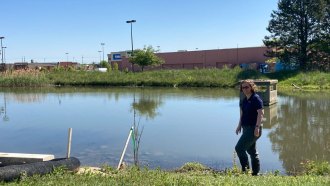
Stores and malls buy into ponds and rain gardens for flood control
An extra bonus: These rainy-day ponds clean up that dirty water running off parking lots.
- Environment
Let’s learn about plastic pollution
The world is cluttered with plastic waste. All that junk kills animals far and wide.
- Environment
Pond scum can release a paralyzing pollutant into the air
New study finds blooms of blue-green algae can seed the air with a poisonous pollutant.
- Animals
Only 3 percent of Earth’s land is unchanged by people
A sweeping survey of land-based ecosystems finds that very few still support all the animals they used to. Reintroducing lost species could help.
- Agriculture
New technologies might help keep drought-prone farms green
After learning how much damage drought can do to crops, two teens designed ways to detect a thirsty plant and make sure it gets enough water.
- Animals
Analyze This: Invasive species cost the world billions each year
A new study estimates that invasive species have cost the world more than $1 trillion since 1970. That’s almost certainly an underestimate.
- Brain
Patterns in brain activity can identify who will struggle to read
Certain patterns of brain activity predict whether teens are strong readers or will struggle. Those diagnostic patterns show up even when doing math.