HS-ESS3-4
Evaluate or refine a technological solution that reduces impacts of human activities on natural systems.
- Earth
Widely used pesticides may threaten Earth’s ozone layer
Data show a major class of long-used “eco-friendly” copper chemicals unexpectedly react with soil, making gases harmful to Earth’s protective ozone layer.
- Earth
Scientists Say: Pollution
Pollution is any substance or form of energy released into the environment that is harmful to people or other living creatures.
- Chemistry
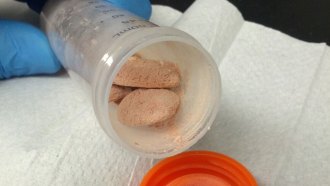
Clothes dryers may be a major source of airborne microplastics
Scientists thought washing machines were a leading contributor of microplastics. Now it appears dryers may be an even bigger problem.
- Animals
DNA in air can help ID unseen animals nearby
Analyzing these genetic residues in air offers a new way to study animals. It could give scientists a chance to monitor rare or hard to find animals.
- Ecosystems
Recycling a climate-warming gas could make ‘greener’ farmed fish
Instead of warming the climate, methane gas can be collected to help farmers. Along the way, it may also save some fish.
- Animals
Rewilding returns lost species to strengthen ecosystems
Restoring the missing species can help undo human-caused problems by aiding forests, slowing climate change and reducing wildfires.
- Animals
Can scientists develop an icy sanctuary for Arctic life?
The final refuge for summer sea ice may also protect the creatures that depend on it. Saving it is an ambitious goal with many hurdles.
- Chemistry
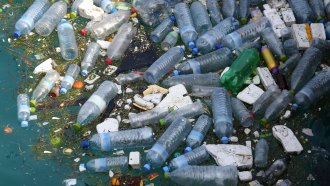
A new way to make plastics could keep them from littering the seas
Borrowing from genetics, scientists are creating plastics that will degrade. They can even choose how quickly these materials break down.
- Ecosystems
Leaky sewer pipes pollute urban streams and bays with drugs
Scientists find that leaking sewer pipes around Baltimore, Md., spew thousands of doses of medicines into the Chesapeake Bay and other waterways.
- Materials Science
Analyze This: Hardened wood can make sharp steak knives
Researchers treated wood to make it hard and dense. Out of it, they carved sharp knives and nails that could substitute for ones made of steel.
- Chemistry
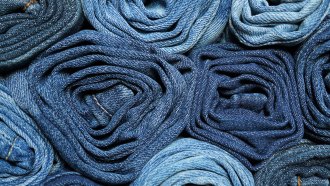
Scientists find a ‘greener’ way to make jeans blue
When coated onto jeans, a plant-based polymer reduces water and cuts the amount of toxic chemicals needed.
- Chemistry
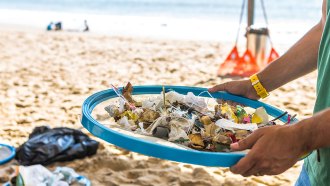
Everyday plastics can pollute, leaching thousands of chemicals
Plastic bags and containers leach potentially toxic chemicals into both food and water, but researchers yet don’t know how they might affect health.