HS-ESS3-4
Evaluate or refine a technological solution that reduces impacts of human activities on natural systems.
- Climate
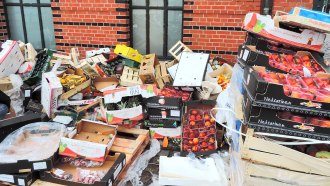
The world wastes roughly a sixth of the food produced each year
A new United Nations report shows where wastes can be reduced, which would decrease hunger and emissions of climate-warming greenhouse gases.
- Climate
Changing climate now threatens northern lakes year round
Lakes in northern climes are getting warmer, and that’s not good for people, plants or animals.
- Computing
Greening your digital life
The less electricity you use while playing video games or using your devices, the less impact you’ll have on climate change.
- Agriculture
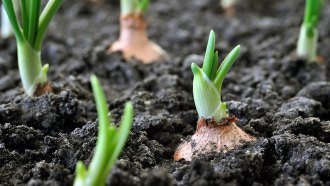
Healthy soils are life-giving black gold
Scientists explain why everyone needs to value the soils beneath our feet — and why we should not view them as dirt.
- Ecosystems
What you can do to improve soils
Soils are the life-sustaining structures under our feet. Here are some tips for keeping soils healthy. First rule of thumb: Give more than you take.
- Environment
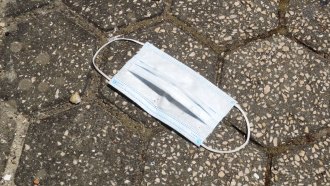
Unmasking the pandemic’s pollution problem
Discarding all the materials people use to protect themselves from COVID-19 has created a growing environmental problem.
- Ecosystems
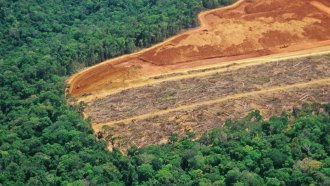
Can people protect as much space as nature needs?
To save biodiversity, nations are drafting a plan to protect 30 percent of Earth by 2030. Up for debate is how best to do that.
- Chemistry
A soil-based ‘concrete’ could make buildings green, even on Mars
A new soil-based material offers an alternative to concrete for 3-D printing environmentally friendly buildings.
- Environment
Why today’s ‘fast fashions’ can be bad for the planet
The constant buy-wear-toss cycle of fast fashion isn’t sustainable. It hurts the environment and takes a toll on our wallets, too.
- Environment
Old clothes soon may be recycled, not trashed
One day, clothes may be recycled almost as much as plastics and glass are now. See how chemists are moving us in that direction.
- Chemistry
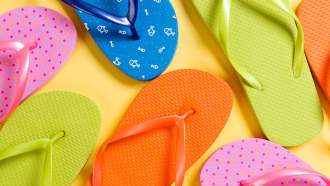
Here’s how to make flip-flops biodegradable
Innovative flip-flops made from an algae-based plastic decompose in soil or compost. The comfy shoes also avoid use of fossil fuels.
- Animals
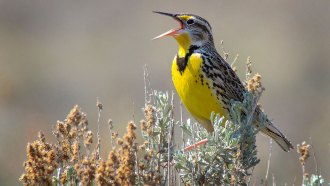
Around the world, birds are in crisis
Human activities around the world are threatening bird species. Numbers of even some of the most common species are starting to fall.