HS-ETS1-3
Evaluate a solution to a complex real-world problem based on prioritized criteria and trade-offs that account for a range of constraints, including cost, safety, reliability, and aesthetics, as well as possible social, cultural, and environmental impacts.
- Ecosystems
Restoring giant underwater forests, one blade at a time
Giant kelp are at risk due to climate change and human activities. In New Zealand, a community effort is rebuilding these underwater algal forests.
- Tech
Particles from tree waste could prevent fogged lenses, windshields
A new coating made from a renewable resource — water-loving nanoparticles made from wood — could keep glass surfaces fog-free.
- Tech
Bits of trees can make and store energy for us to use
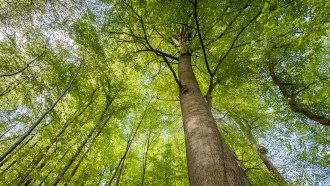
This cellulose and lignin, two major building blocks of trees, could lead to greener electronics.
- Tech
Bionic plants and electric algae may usher in a greener future
Some can aid the climate by removing pollutants. Others would just avoid dirtying the environment in the first place.
- Tech
How to prevent the robot replication apocalypse
Today’s bot-building robots aren’t set on world domination. But scientists and philosophers want to keep future tech in check.
- Climate
Hydrogen energy could help our climate — depending on its source
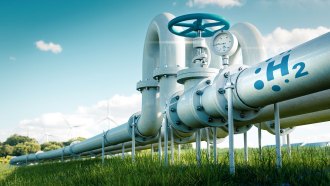
Hydrogen energy doesn’t emit greenhouse gases when it’s used. But how it’s produced will affect how useful it can be in slowing climate change.
- Science & Society
These teens are using science to make the world a better place
Finalists in the 2023 Thermo Fisher Scientific Junior Innovators Challenge are doing projects that aim to help others.
- Earth
Analyze This: Tropical forests have gotten patchier
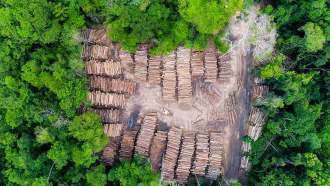
Although many of the world's forests have gotten less fragmented since 2000, tropical forests have gotten more chopped up, putting animals at risk.
- Chemistry
Creation of quantum dots wins 2023 chemistry Nobel
The award honors three scientists who discovered and built quantum dots, which are now used in everything from TVs to medical tools.
- Space
Four researchers on Earth are spending a year on ‘Mars’
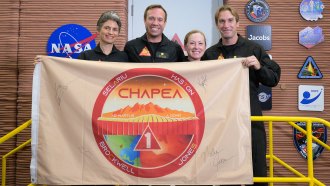
A crew of four entered Mars Dune Alpha in Houston, Texas. They will remain isolated inside for a year, living and working as if on the Red Planet.
- Animals
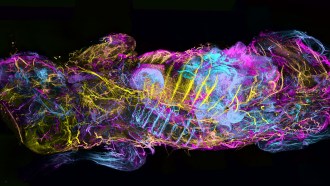
A new technique creates glowing whole-body maps of mice
Removing cholesterol from mouse bodies lets fluorescent proteins seep into every tissue. That has helped researchers map entire body parts.
- Agriculture
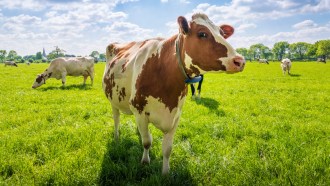
Cow dung spews a climate-warming gas. Adding algae could limit that
But how useful this is depends on whether cows eat the red algae, a type of seaweed — or it gets added to their wastes after they’re pooped out.