HS-ETS1-3
Evaluate a solution to a complex real-world problem based on prioritized criteria and trade-offs that account for a range of constraints, including cost, safety, reliability, and aesthetics, as well as possible social, cultural, and environmental impacts.
- Computing
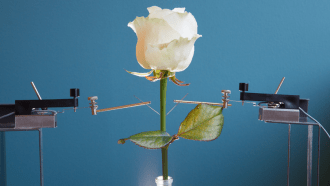
Wired and weird: Meet the cyborg plants
By mixing electronics with greenery, engineers have made plants that conduct electricity, detect bombs and send email.
- Physics
How to chill an object by sending its heat into space
Researchers have designed a device that can cool an object by radiating its energy into outer space. Think of it as a solar panel in reverse.
- Computing
The Internet of Things wants to link all facets of our world
The Internet of Things means everyday objects are becoming computers. Can people harness this technology to make the world better?
- Computing
Wind power gets downsized — but in a good way
Two young scientists have developed ways to tap into wind power on a small scale.
- Materials Science
3-D printers offer better way to make some magnets
3-D printers produced magnets as strong as conventional ones with less material wasted.
- Computing
Star Trek technology becomes more science than fiction
On Star Trek, the characters used devices that seemed wild, futuristic and impossible. But those sci-fi gadgets are inspiring real-world, useful inventions.
- Brain
What makes a pretty face?
Beautiful faces are symmetrical and average. Do we prefer them because this makes them easier for our brains to process?
- Health & Medicine
Implant traps cancer cells on the move
A device implanted under the skin extended the life of mice with breast cancer. It trapped injected cancer cells before they created tumors in organs throughout the body.
- Health & Medicine
Simpler way to screen for hidden hearing loss?
Many teens today walk around with undiagnosed hearing damage. But some Boston-based researchers have come up with a low-tech approach to screening these individuals so they can get help.
- Chemistry
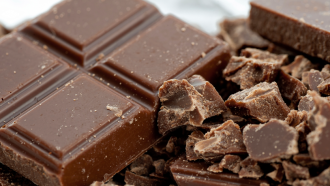
Milking chocolate for its health benefits
Researchers figure out how to give milk chocolate the same health benefits as dark chocolate. The secret ingredient is an extract from peanut skin.
- Health & Medicine
Could toothpaste give heart disease the brush-off?
Brushing with a toothpaste that dyes plaque green encourages people to remove more of it. This also lowered inflammation, which may cut someone’s risk of heart disease.
- Agriculture
Teen develops water-saving pods for seeds
In California’s drought, every drop of water counts. A teen developed a capsule to keep sprouting seeds wet and reduce water use.