HS-LS1-2
Develop and use a model to illustrate the hierarchical organization of interacting systems that provide specific functions within multicellular organisms.
- Earth
Tiny air pollutants inflame airways and harm heart
New studies show how tiny bits of air pollution, called particulate matter, can lead to health problems ranging from chronic runny noses to heart disease.
- Plants
Scientists Say: Guttation
When water vapor can’t escape a plant, it might force its way out through a process called guttation.
- Animals
Frog’s gift of grab comes from saliva and squishy tissue
What puts the grip in a frog’s high-speed strike? Quick-change saliva and a super-soft tongue, scientists find.
- Genetics
How to make a ‘three-parent’ baby
Scientists combined an egg, sperm and some donor DNA: The end result: what appears to be healthy babies.
- Animals
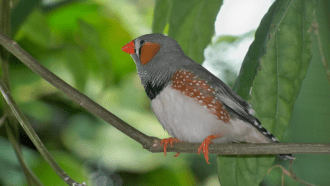
How birds know what not to tweet
How do birds perfect their pitches? The chemical dopamine spikes when they sing right, and dips when they drop a note, new data show.
- Brain
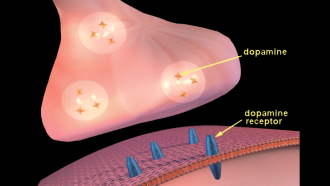
Explainer: What is dopamine?
Dopamine is a chemical messenger that carries signals between brain cells. It also gets blamed for addiction. And a shortage of it gets blamed for symptoms of diseases such as Parkinson’s.
- Brain
Explainer: What is neurotransmission?
When brain cells need to pass messages to one another, they use chemicals called neurotransmitters. This sharing of chemical secrets is known as neurotransmission.
- Health & Medicine
Scientists Say: Bruxism
Some people clench their jaw when their stressed. People who do it a lot may have bruxism.
- Health & Medicine
Snot Science: A snotty setup
We’ve got a video with a snotty experiment. Now we describe how you can do the same test yourself. Try it!
- Health & Medicine
Snot Science: Results are nothing to sneeze at
We tested a lot of snot, but now we need to figure out what our data mean. Here’s how to group and analyze our data.
- Health & Medicine
Scientists Say: Tinnitus
Ever had ringing in your ears? Tinnitus is a condition in which you hear a persistent sound that isn’t there.
- Health & Medicine
Outdoor time is good for your eyes
Being outdoors exposes children to bright light that can be good for their eyes. Spending just one extra daylight hour outdoors each week can substantially lower their chance of becoming nearsighted, a study finds.