HS-LS2-3
Construct and revise an explanation based on evidence for the cycling of matter and flow of energy in aerobic and anaerobic conditions.
- Climate
Changing climate now threatens northern lakes year round
Lakes in northern climes are getting warmer, and that’s not good for people, plants or animals.
- Ecosystems
What you can do to improve soils
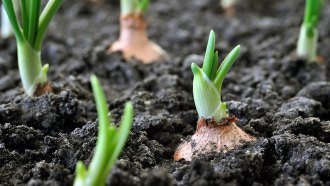
Soils are the life-sustaining structures under our feet. Here are some tips for keeping soils healthy. First rule of thumb: Give more than you take.
- Agriculture
Healthy soils are life-giving black gold
Scientists explain why everyone needs to value the soils beneath our feet — and why we should not view them as dirt.
- Animals
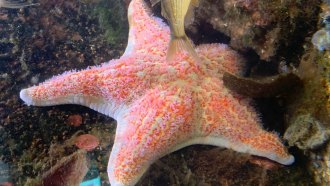
Choked by bacteria, some starfish are turning to goo
For years, researchers thought gooey, dying starfish were infected. Instead, these sea stars are suffocating. And bacteria may be behind it all.
- Chemistry
Here’s how to make flip-flops biodegradable
Innovative flip-flops made from an algae-based plastic decompose in soil or compost. The comfy shoes also avoid use of fossil fuels.
- Animals
Jumping ‘snake worms’ are invading U.S. forests
These bad-news invaders are spreading across the United States. As they turn forest debris into bare ground, soils and ecosystems are changing.
- Animals
Whales get a second life as deep-sea buffets
When a whale dies and sinks to the seafloor, it becomes a feast for hundreds of different types of creatures.
-
A dirty and growing problem: Too few toilets
As the famous book says, everybody poops. That’s 7.8 billion people, worldwide. For the 2.4 billion with no toilet, the process can be complicated.
- Life
If bacteria stick together, they can survive for years in space
Tiny clumps of bacteria can survive at least three years in outer space. This raises the prospect of interplanetary travel by microbial life.
- Microbes
Some deep-seafloor microbes still alive after 100 million years!
Some starving microbes nap while awaiting their next meal. For some living miles below the ocean surface, that nap may exceed 100 million years.
- Animals
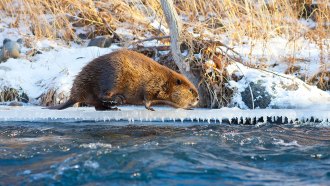
Busy beavers may be speeding thaw of Arctic permafrost
As climate change continues, busy beavers are expanding their range in Alaska. Their dams could further speed the loss of permafrost there and promote local warming.
- Animals
Toxic germs on its skin make this newt deadly
Bacteria living on the skin of some rough-skinned newts make tetrodotoxin. This paralyzing poison is also found in pufferfish.