HS-LS2-3
Construct and revise an explanation based on evidence for the cycling of matter and flow of energy in aerobic and anaerobic conditions.
- Earth
Fighting big farm pollution with a tiny plant
Fertilizer runoff can fuel the growth of toxic algae nearby lakes. A teen decided to harness a tiny plant to sop up that fertilizer.
- Chemistry
Microbes mine treasure from waste
Like miniature factories, bioreactors house microbes recruited to chew through wastes to clean dirty water, make chemicals or generate electricity.
- Animals
News Brief: Bees prefer caffeine-spiked nectar
Bees usually alert friends to sources of especially sweet nectar. But a new study finds caffeine is every bit as appealing to them as the sugar is. And that could compromise the quality of their honey.
- Agriculture
Organic food starts to prove its worth
Organic food often comes with a higher price. But research is showing that food grown this way can be better for the environment — and possibly for us.
- Plants
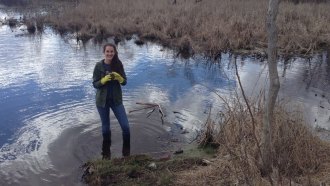
Using plants to solve environmental problems
Problems in their communities suggested good research projects to three teens. Each wanted to tackle a different issue, from pollution to world hunger. To learn more about these issues, they turned to their local ponds, wetlands and gardens.
- Microbes
Life’s ultra-slow lane is deep beneath the sea
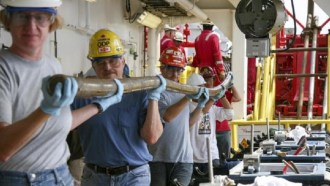
Biologists had suspected the deep seafloor would be little more than barren sediment. But they found a surprising amount of oxygen — and life.
- Microbes
Recycling the dead
When things die, nature breaks them down through a process we know as rot. Without it, none of us would be here. Now, scientists are trying to better understand it so that they can use rot — preserving its role in feeding all living things.
- Health & Medicine
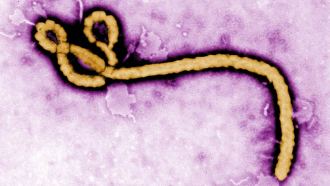
Explainer: What is Ebola?
A virus is behind the hemorrhage-inducing infection called Ebola. It causes fevers and often intense bleeding — seemingly from anywhere and everywhere.
- Animals
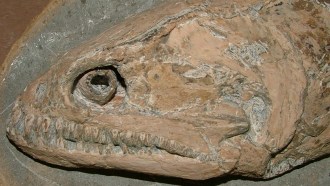
Surprise! Fossils in a flash
By studying how dead tissues decay — or turn to ‘instant’ fossils — scientists are gleaning helpful clues to what ancient life looked like.
- Animals
Explainer: People can sicken animals
Wildlife can sometimes become infected with germs shed by people.
- Microbes
Life in the bacterial underground
Tiny life forms in rock may coax minerals to release hydrogen for food.
- Animals
A fallout feast for crabs
Crabs can take advantage of hot, toxic plumes from undersea vents to feed on poisoned plankton.