HS-LS2-7
Design, evaluate, and refine a solution for reducing the impacts of human activities on the environment and biodiversity.
- Animals
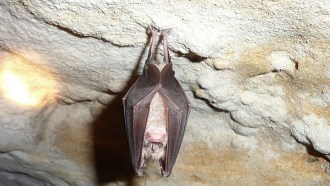
Scientists seek bat detectives
Bats emit high-pitched calls in the night to find their way around. A citizen science project is eavesdropping on these calls to probe the health of ecosystems.
- Animals
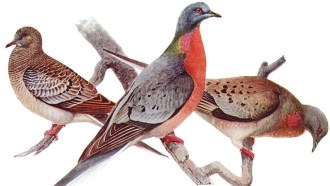
Coming: The sixth mass extinction?
Species are dying off at such a rapid rate — faster than at any other time in human existence — that many resources on which we depend may disappear.
- Animals
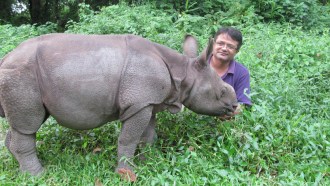
Rare as a rhino
Most species are rare. Some have always been rare. A problem develops when people are responsible for accelerating a species’ rarity to the point that extinction threatens.
- Microbes
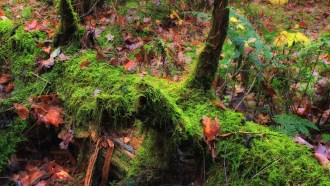
Recycling the dead
When things die, nature breaks them down through a process we know as rot. Without it, none of us would be here. Now, scientists are trying to better understand it so that they can use rot — preserving its role in feeding all living things.
- Chemistry
Chemistry: Green and clean
“Green” means environmentally friendly and sustainable. Green chemistry creates products and processes that are safer and cleaner — from the start.
- Environment
Bug-killer linked to decline in birds
One of the most popular chemicals used to protect crops from bugs may also take a toll on birds, a Dutch study finds. U.S. farmers also rely on these insecticides, a second study finds.
- Animals
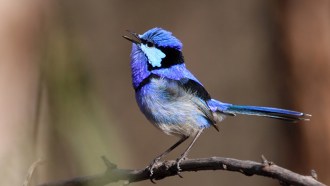
A library of tweets (and howls and grunts)
The Macaulay Library houses a world of animal sounds. And now anyone with an Internet connection can check out this audio collection.
- Animals
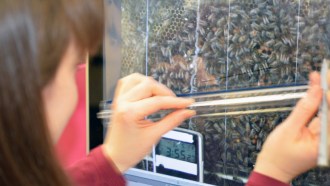
Decoding bee dances
Biologists have started eavesdropping on bees — or their dancing sign language — to identify where these buzzers prefer to forage. This info is pointing to which bee-friendly habitats may be most important to preserve.
- Animals
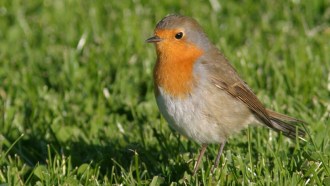
Electronics may confuse a bird’s ‘compass’
Birds use Earth’s magnetic field to help guide them as they migrate. A new study suggests that electromagnetic radiation given off by some electronic devices may act like “noise” and confuse the long-traveling birds.
-
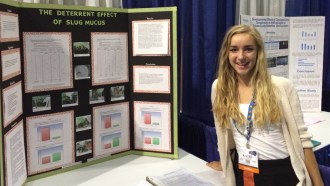
Slime: A new way to protect plants from slugs
Katie Gwaltney had a slug problem in her garden. She decided to try using the slugs’ own slime against them. Her findings earned the high school freshman a finalist’s spot at this week's Intel International Science and Engineering Fair.
- Animals
When a species can’t stand the heat
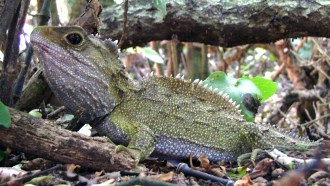
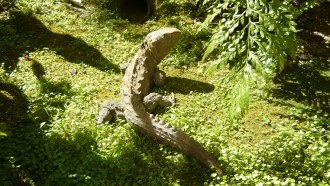
When temperatures rise, New Zealand’s tuatara produce more males. With global warming, that could leave the ancient reptile species with too few females to avoid going extinct.
- Animals
Explainer: How invasive species ratted out the tuatara
The introduction of rats to New Zealand led to huge population losses of the ancient tuatara. These uncommon reptiles vanished from the mainland. This left isolated populations to survive on several dozen isolated islands.