HS-LS2-7
Design, evaluate, and refine a solution for reducing the impacts of human activities on the environment and biodiversity.
- Agriculture
Weed killers may go from plant to pooch
Dogs love to roll around in the grass. But if there is weed killer around, it could end up on — and in — our furry pals.
- Agriculture
Made in the shade
Agroforestry combines woody plants and agriculture. Growing trees alongside crops and livestock benefits wildlife, environment, climate — and farmers.
- Agriculture
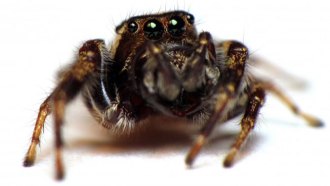
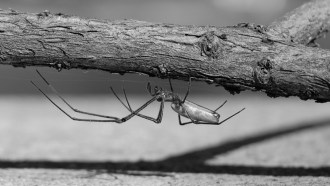
Insecticide can change a spider’s personality
A chemical meant to kill moths affects the behavior of some spiders. It alters the spiders’ ability to capture prey — including those moths.
- Agriculture
Organic food starts to prove its worth
Organic food often comes with a higher price. But research is showing that food grown this way can be better for the environment — and possibly for us.
- Health & Medicine
How ‘brain-eating’ amoebas kill
When people infected with a “brain-eating amoeba” die, their own immune systems might be to blame.
- Health & Medicine
Five things to know about ‘brain-eating’ amoebas
These parasites can be scary, but they rarely trigger infections. Still, knowing more about them can help you avoid behaviors that heighten risks.
- Brain
To protect kids, get the lead out!
Lead poisons hundreds of thousands of children. In Chicago, experts show how the toxic metal hurts test performance in school.
- Animals
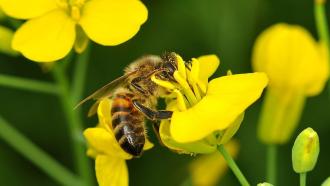
Pesticides offer bees a risky allure
Honeybees and bumblebees sometimes cannot taste or avoid pesticides called neonicotinoids. And that may expose some of these important pollinators to harm.
- Agriculture
Ditching farm pollution — literally
An Indiana project shows how fighting fertilizer runoff can save farmers money, protect wild habitats and prevent harmful algae blooms.
- Animals
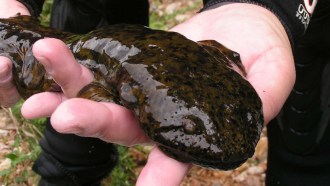
Hellbenders need help!
Hellbenders already face threats such as habitat loss, pollution and disease. But climate change could make matters worse. And the problems facing hellbenders could spell trouble for more than just these giant amphibians.
- Life
Scientists say: Biomagnify
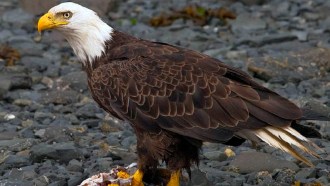
Chemicals in the environment can build up in an animal’s tissues. Predators who feed on these animals can accumulate more and more of the pollutants, a process known as biomagnification.
- Animals
Spidey sense: Eight-legged pollution monitors
Spiders that prey on aquatic insects can serve as sentinels that naturally monitor banned chemicals that still pollute many rivers across the United States.