Animals
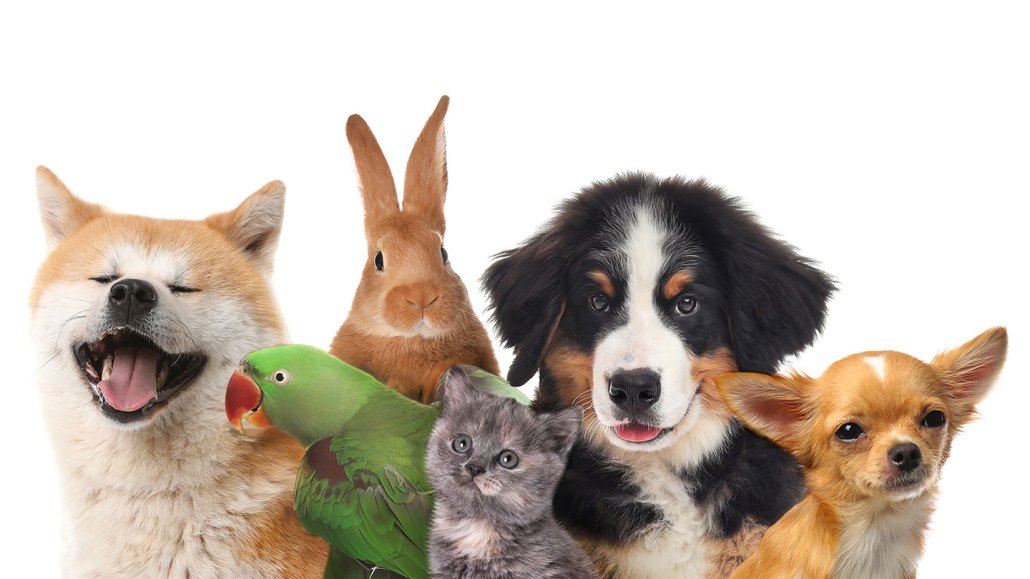
How to lessen your pet’s impacts on the planet
Climate-friendly food choices, new poop solutions and avoiding animals collected from the wild can all help make pet ownership more sustainable.
By Laura Allen
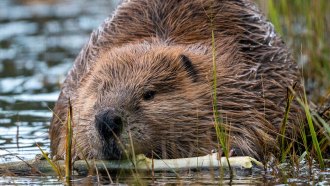
To help restore streams, ecologists and other scientists are taking tips from the rodents — and hoping some beavers also join in.
Hidden in plain sight, this huge community of tree-bark microbes dines on gases — such as methane — that warm Earth’s atmosphere.
Researchers employed tools of paleontology to analyze the iconic landmark — a sidewalk critter crater made when a mystery rodent fell into wet concrete.
Decades of aboveground nuclear weapons tests, starting in the 1950s, lightly littered the planet with toxic fallout, which appears to have sickened some people.
In light-polluted areas, birds spend an average of 50 minutes more per day singing. It’s unclear how that extra time might hurt or help the birds.
The organisms that make winter homes in this subnivium help forests thrive year-round. But climate change is making this ecosystem disappear.
Some animals help fight climate change by boosting the amount of carbon dioxide that plants, algae and bacteria absorb from the atmosphere.
Microplastics made from fossil fuels take centuries to disappear. But the plant- and algae-based plastic can break down in weeks to months.
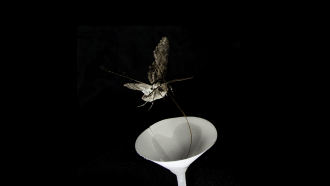
Pollutants that build up in night air can break down the scents that attract pollinating hawkmoths to primrose blooms, disrupting their pollination.