HS-LS2-8
Evaluate the evidence for the role of group behavior on individual and species' chances to survive and reproduce.
- Animals
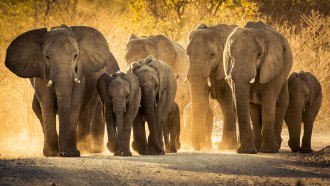
Let’s learn about elephants
Check out five wild facts you may not know about a familiar animal: the elephant.
- Ecosystems
Cheatgrass thrives on the well-lit urban night scene
Middle-grade campers team up with ecologists at Denver University to show that streetlights boost the growth of a reviled invasive species.
- Animals
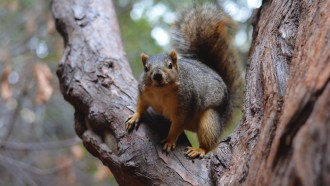
Squirrels use parkour tricks to leap from branch to branch
Squirrels navigate through trees by making rapid calculations. They have to balance trade-offs between branch flexibility and the distance between tree limbs.
- Archaeology
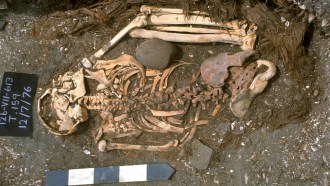
Skeletons point to world’s oldest known shark attacks
The newfound remains came from people who had lived thousands of years ago in Peru and Japan, half a world apart.
- Animals
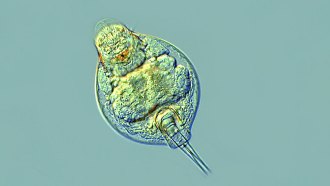
Tiny animals survive 24,000 years in suspended animation
Tiny bdelloid rotifers awake from a 24,000-year slumber when freed from the Arctic permafrost.
- Animals
Some pikas survive winter by eating yak poop
Pikas endure bone-chilling cold on the Tibetan Plateau by using little energy and fueling up on yak poop.
- Genetics
Explainer: Virus variants and strains
When viruses become more infectious or better able to survive the body’s immune system, they become a type of variant known as a strain.
- Health & Medicine
COVID-19 can infect kids — and risks sickening some severely
Not all are equally impacted. Even among supposedly low risk groups, concerns intensify as the super-contagious delta variant sweeps across the globe.
- Health & Medicine
What is the role of in-person classes in COVID-19’s spread?
New data haven’t shown that schools pose a big coronavirus risk to kids and their families, despite fears that they might.
- Animals
Even raised by people, wolves don’t tune into you like your dog
Dog puppies outpace wolf pups at engaging with humans, even with less exposure to people, supporting the idea that domestication changed dogs’ brains.
- Animals
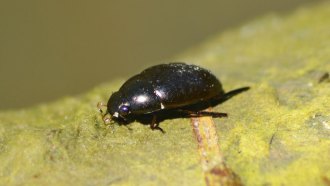
Some beetles walk along the underside of the water’s surface
Their upside-down scurrying is a rare method of getting around.
- Animals
Dinosaur families appear to have lived in the Arctic year-round
Fossils of baby dinosaurs in northern Alaska challenge the idea that northern dinosaurs only spent their summers in the high Arctic.