Earth
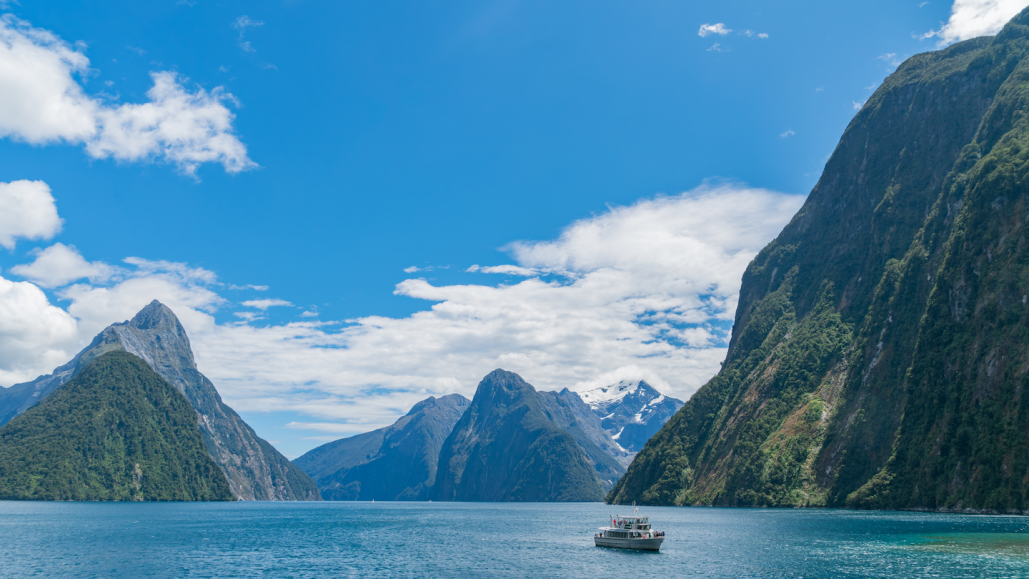
Scientists Say: Fjord
These dramatic, steep-sided sea inlets form when glaciers carve deep channels from the terrain.
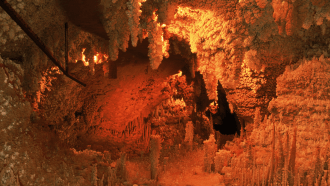
This type of cave formation can occur as glossy, soaplike bubbles or as a bristly, cauliflower-like clusters.
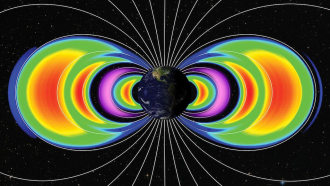
Astronomers have detected these radiation belts around Earth and beyond. Jupiter’s belt is thousands of times as intense as Earth’s.
The gases released by earthquakes might occasionally ignite, triggering ghostly lights sometimes witnessed in South Carolina.
This appears to be a newfound type of eruption. It could only be recognized because of the extensive monitoring of Kilauea's crater.
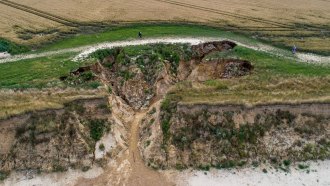
Soil erosion washes pollutants into streams and rivers — but plants may help limit that.
A lot of these aquifers are quickly disappearing due to climate change and overuse. Fortunately, there is growth in some of the world’s major aquifers.
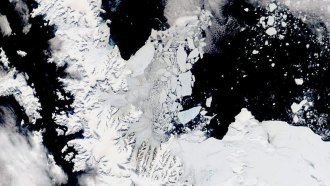
Destabilized by waves and vanishing sea ice, one of the glaciers lost 25 kilometers (15.5 miles) of ice in 16 months — a possible hint of worse to come.
Steady ‘winds’ can carve clay blobs into lion-shaped landforms called yardangs, a new study suggests. One such yardang may have inspired the Great Sphinx of Giza.
Most pink diamonds may have formed billions of years ago during the tectonics that led to formation and breakup of Nuna, Earth’s first supercontinent.