MS-ETS1-1
Define the criteria and constraints of a design problem with sufficient precision to ensure a successful solution, taking into account relevant scientific principles and potential impacts on people and the natural environment that may limit possible solutions.
- Materials Science
Analyze This: This material for 3-D printing is made by microbes
Bacteria with tweaked genes pump out proteins that can be used in a 3-D printer. With microbes in the mix, the living ink can make drugs or suck up chemicals.
- Chemistry
Could reusable ‘jelly ice’ cubes replace regular ice?
These hydrogel “jelly ice cubes” are made mostly of gelatin and water. They won’t melt, even when thawed, and may provide new food cooling options.
- Chemistry
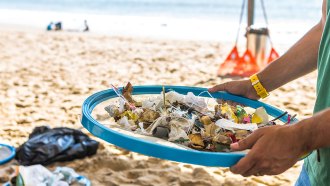
A new way to make plastics could keep them from littering the seas
Borrowing from genetics, scientists are creating plastics that will degrade. They can even choose how quickly these materials break down.
- Health & Medicine
Someday soon, smartwatches may know you’re sick before you do
Such an early detection of flu-like infections could tell you when to avoid others to limit the spread of disease.
- Tech
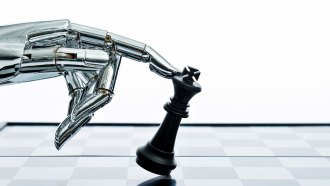
Easy for you, tough for a robot
Robots still can’t do many things that we find easy. Can engineers reduce how klutzy robots are and boost their common sense?
- Physics
Future cars may offer personal sound zones — no earphones needed
Zones that offer each passenger personal listening are closer to reality. A new design improves performance by adapting to the conditions in your car.
- Humans
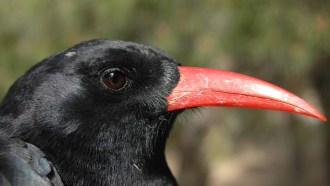
Researchers role-played as Neandertals to learn how they hunted birds
By pretending to be Neandertals, researchers show that the ancient hominids likely had the skills to hunt crowlike birds called choughs.
- Chemistry
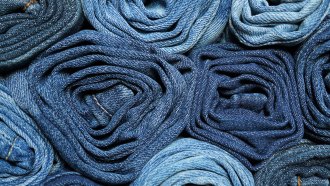
Scientists find a ‘greener’ way to make jeans blue
When coated onto jeans, a plant-based polymer reduces water and cuts the amount of toxic chemicals needed.
- Chemistry
Chemists win Nobel Prize for faster, cleaner way of making molecules
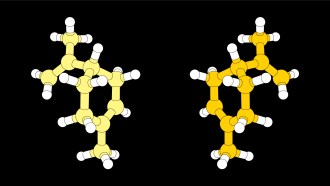
Both scientists independently came up with new process — asymmetric organocatalysis. That name may be a mouthful, but it’s not that hard to understand.
- Brain
A sense of touch could upgrade virtual reality, prosthetics and more
Scientists and engineers are trying to add touch to online shopping, virtual doctor appointments and artificial limbs.
- Tech
Synthetic trees could tap underground water in arid areas
They also could also help coastal residents mine fresh water from salty sources.
- Animals
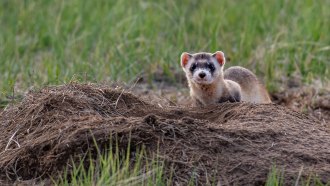
Cloning boosts endangered black-footed ferrets
A cloned ferret named Elizabeth Ann brings genetic diversity to a species that nearly went extinct in the 1980s.