MS-ETS1-3
Analyze data from tests to determine similarities and differences among several design solutions to identify the best characteristics of each that can be combined into a new solution to better meet the criteria for success.
-
Teen gets fired up about Christmas tree safety
A deadly Christmas tree fire inspired one teen to study how a tree’s moisture level affects how easily it will ignite and burn.
- Animals
Beetles offer people lessons in moisture control
Taking tricks from a beetle, researchers are designing surfaces that collect water from the air or resist frost buildup.
- Animals
Picking a better porch light
Lights can vary in brightness and ‘color’ — even those that are sold as white. A new study tested which lights attracted the most bugs.
- Health & Medicine
Flexible electronics track sweat
A flexible, wireless health monitor that can wrap around the wrist tracks temperature and analyzes sweat to detect signs of too much water loss.
- Chemistry
Slime cities
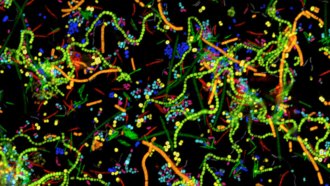
Biofilms are like tiny cities of bacteria — some harmless, others destructive. Scientists are learning how to keep these microscopic metropolises under control.
- Agriculture
Insecticide can change a spider’s personality
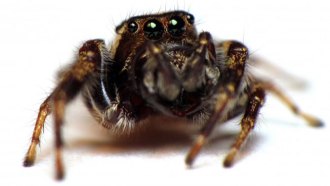
A chemical meant to kill moths affects the behavior of some spiders. It alters the spiders’ ability to capture prey — including those moths.
- Plants
Using plants to solve environmental problems
Problems in their communities suggested good research projects to three teens. Each wanted to tackle a different issue, from pollution to world hunger. To learn more about these issues, they turned to their local ponds, wetlands and gardens.
- Earth
Keeping roofs cooler to cut energy costs
Cool it! A cheap paint-on coating for roofing shingles could help reduce a home’s heating bills and might even trim urban ozone levels, a teen shows.
- Tech
Making cents of sounds
Some people give up when a vending machine rejects their money. But one student decided to turn his frustration into inspiration. Through research, he showed how to identify coins by the sounds they make.
- Animals
What’s the buzz? A new mosquito lure
Broadcasting a fake buzz can lure male Aedes aegypti mosquitoes away from females. That could reduce populations of these annoying — and disease-causing — insects, reports a teen at the 2015 Intel ISEF competition.
-
Cookie Science 16: If I had to do it all again
My second cookie experiment didn’t turn out quite like I planned. Here’s what I would do differently, knowing what I do now.
- Chemistry
Cool Jobs: Saving precious objects
Museum conservators are experts at protecting and restoring precious objects. Along with art or history, many also have studied chemistry, physics, archaeology or other scientific fields.