MS-LS1-2
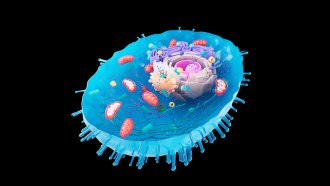
Develop and use a model to describe the function of a cell as a whole and ways parts of cells contribute to the function.
- Animals
A new drug mix helps frogs regrow amputated legs
The treatment helped frogs grow working limbs useful for swimming, standing and kicking. It’ll be a while before people can do that.
- Life
Scientists Say: Eukaryote
Eukaryotes are living things whose cells package their genetic material inside a pouch called a nucleus.
- Animals
See the world through a jumping spider’s eyes — and other senses
Scientists are teasing out the many ways the spiders’ vision, listening and taste senses differ from ours
- Chemistry
Explainer: What are fats?
A fat molecule's three long chains of carbon and hydrogen atoms repel water, stash energy and keep living things warm — even in the bitter cold.
- Animals
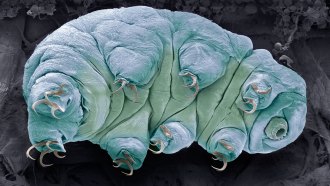
Living mysteries: Why teeny-weeny tardigrades are tough as nails
Tardigrades often live in cool, damp moss. Their cushy life has somehow prepared them to survive the lethal radiation of outer space.
- Life
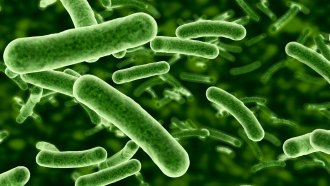
Scientists Say: Bacteria
Bacteria get a bad rap for making people sick, but only a tiny portion of these single-celled creatures cause disease.
- Life
In blazing heat, some plants open leaf pores — and risk death
When heat waves and droughts collide, water is precious. Some thirsty plants try to cool off by opening tiny pores — only to lose water even faster.
- Animals
Scientists discover the first true millipede
The newfound deep-living species tunnels belowground using a whopping 1,306 legs!
- Microbes
Genes point to how some bacteria can gobble up electricity
A new study shows how some microbes absorb and release electrons — a trait that may point to new fuels or ways to store energy.
- Health & Medicine
A single vape session can harm immune cells in the body
Vaping creates molecules in the body that can attack cells and cause damage.
- Genetics
Explainer: What is RNA?
A partner to DNA, cells use this molecule to translate the instructions for making all of the many proteins that your body needs to function.
- Brain
A sense of touch could upgrade virtual reality, prosthetics and more
Scientists and engineers are trying to add touch to online shopping, virtual doctor appointments and artificial limbs.