MS-LS1-5
Construct a scientific explanation based on evidence for how environmental and genetic factors influence the growth of organisms.
- Health & Medicine
Cool Jobs: Researchers on the run
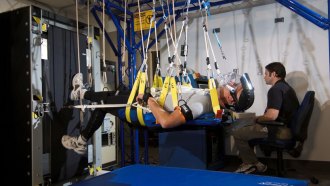
Researchers are taking running to extremes, from Olympic lizards to treadmills in space. The goal is to learn how athletes of all kinds can stay healthier.
- Earth
Bubbles may have sheltered Earth’s early life
For Earth’s earliest inhabitants, a bubble on the beach would have been the next best thing to a safety blanket.
- Health & Medicine
Allergies linked to obesity and heart risks
Children and teens with asthma, allergies or other autoimmune conditions tend to be overweight and show symptoms of heart-disease risks, a new study finds.
- Genetics
Expert panel approves human gene editing
Scientists have recently been reporting big advances in the ability to tweak the genes of living organisms, including people. But some question the ethics of doing that. A panel of experts now says such research can go ahead — with one major exception.
- Agriculture
Banana threat: Attack of the clones
Researchers find that disease-causing fungi — all clones of one another — will continue to infect banana plants unless new steps are taken to stop their spread.
- Animals
Profile: A human touch for animals
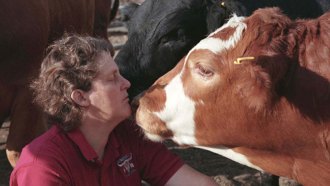
Temple Grandin uses her own autism to understand how animals think. The animal scientist is famous for fostering the humane treatment of livestock.
- Health & Medicine
New treatments may rally ex-president’s fight against cancer
Former President Jimmy Carter has a potentially lethal type of skin cancer that has already spread to his liver and brain. Recent improvements in medicine may help him fight it.
- Animals
Chikungunya wings its way north — on mosquitoes
A mosquito-borne virus once found only in the tropics has adapted to survive in mosquitoes in cooler places, such as Europe and North America.
- Genetics
DNA: Our ancient ancestors had lots more
Ancestral humans and their extinct relatives had much more DNA than do people today, a new study finds. It mapped genetic differences over time among 125 different human groups.
- Agriculture
Organic food starts to prove its worth
Organic food often comes with a higher price. But research is showing that food grown this way can be better for the environment — and possibly for us.
- Brain
To protect kids, get the lead out!
Lead poisons hundreds of thousands of children. In Chicago, experts show how the toxic metal hurts test performance in school.
- Animals
Biowarfare saves bats from killer fungus
Good news for bats. Those infected with white-nose syndrome may be cured by a brief exposure to fumes from therapeutic bacteria.