MS-LS2-2
Construct an explanation that predicts patterns of interactions among organisms across multiple ecosystems.
- Animals
Germs explain some animal behaviors
The bacteria that people and other animals host in and on their bodies are invisible to the eye. Yet they can play a very visible role in behavior. It’s something scientists are just coming to appreciate.
- Environment
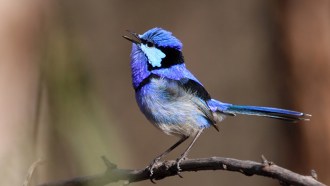
Bug-killer linked to decline in birds
One of the most popular chemicals used to protect crops from bugs may also take a toll on birds, a Dutch study finds. U.S. farmers also rely on these insecticides, a second study finds.
- Animals
Bugs may have made us brainy
Finding and eating bugs when other food was scarce helped primates — including our ancestors — evolve bigger and better brains. At least that’s the conclusion of a new study in Costa Rica.
- Microbes
The war on superbugs
Doctors and scientists are exploring ways to stem the growing global crisis of antibacterial resistance.
- Microbes
Explainer: What you can do to fight antibiotic resistance
Doctors and scientists are not the only people who can help preserve the effectiveness of life-saving antibiotics. Even patients have a role to play, as these tips show.
- Microbes
Superbugs: A silent health emergency
Have antibiotics become too popular? Overusing these medicines fuels resistant germs that pose a global health threat.
- Animals
Stalking squirrels for science
A scientist noticed the squirrels in his family’s town, and began studying them. His results show why squirrels are such good city dwellers, and prove that science is right outside your door.
- Animals
A library of tweets (and howls and grunts)
The Macaulay Library houses a world of animal sounds. And now anyone with an Internet connection can check out this audio collection.
- Microbes
Convincing bacteria they’re alone
Caffeine may be the trick to confusing some bacteria into thinking they’ve not yet summoned enough troops to launch a successful attack on their host. It could prove an alternative to antibiotics for certain infections.
- Animals
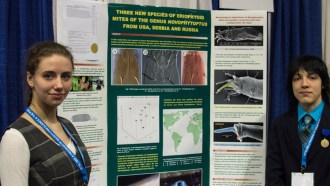
Mite-y discoveries!
Two teens from Russia discovered tiny mites living inside grass-like plants called rushes. Three of the species they turned up are new to science.
- Health & Medicine
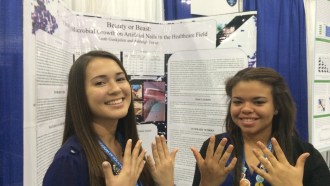
Beautiful nails may harbor germs
Two students wondered why they weren’t allowed to wear fake nails as nursing assistants. They decided to use science to probe why. What they found sent them to the Intel International Science and Engineering Fair.
- Animals
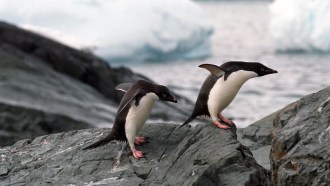
Even penguins get the flu
Scientists have just identified ‘live’ bird flu virus in Antarctic penguins. But the infections may not be novel. There are some signs these germs have been infecting local wildlife for up to 80 years.