Earth
- Ecosystems
Cheatgrass thrives on the well-lit urban night scene
Middle-grade campers team up with ecologists at Denver University to show that streetlights boost the growth of a reviled invasive species.
- Animals
Will the woolly mammoth return?
Scientists are using genetic engineering and cloning to try to bring back extinct species or save endangered ones. Here’s how and why.
- Animals
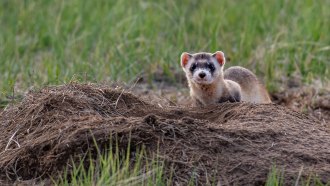
Cloning boosts endangered black-footed ferrets
A cloned ferret named Elizabeth Ann brings genetic diversity to a species that nearly went extinct in the 1980s.
- Chemistry
Scientists Say: Aerosol
Aerosols are tiny bits of solids or drops of liquids suspended in gas. Aerosols include mist, fog and soot, as well as pollution from fossil fuels.
- Environment
Wildfire smoke seeds the air with potentially dangerous microbes
Studies now show that most wildfires don’t kill microbes. That’s fueling worries about what risks these smoke hitchhikers might pose to people.
- Animals
Endangered or just rare? Statistics give meaning to the head counts
Whether studying tiny birds or massive whales, researchers collect a lot of data. The field of statistics helps them make sense of those data.
- Earth
Greece’s Santorini volcano erupts more when the sea level drops
Data showing this association go back at least 360,000 years.
- Climate
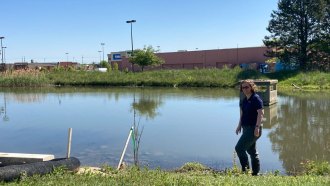
Stores and malls buy into ponds and rain gardens for flood control
An extra bonus: These rainy-day ponds clean up that dirty water running off parking lots.
- Climate
Warming cities may see more rain — and frequent flooding
Scientists are seeking to understand why and how to mop up excess precipitation.
- Climate
Explainer: Urban heat islands and how to cool them
Cities transform landscapes covered in plants to ones covered in heat-absorbing asphalt and concrete. But ways exist to cool these urban heat islands.
- Environment
Let’s learn about plastic pollution
The world is cluttered with plastic waste. All that junk kills animals far and wide.
- Earth
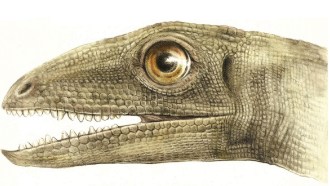
New beetle species found in fossil poop of this dino relative
Whole beetles preserved in fossilized reptilian poop suggest that ancient droppings may deserve a closer look.