Earth
- Earth
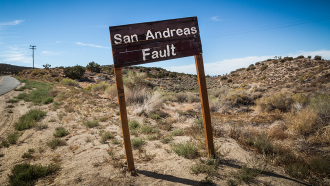
Let’s learn about earthquakes
Dozens of quakes happen every day, but most aren’t big enough for people to notice.
- Climate
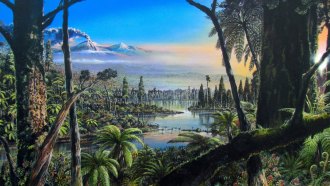
A rainforest once grew near the South Pole
A forest flourished within 1,000 kilometers of the South Pole. That was a while ago, as in millions of years ago.
- Environment
This ‘living’ concrete slurps up a greenhouse gas
Microbes help harden a mix of sand and gelatin into a living concrete that could interact with people and the environment in great new ways.
- Earth
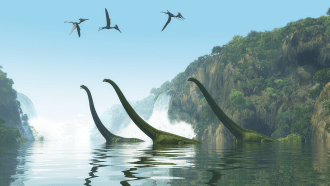
Scientists Say: Jurassic
During this time from about 200 million to 145 million years ago, dinosaurs reigned and many animals evolved, including birds and some early mammals.
- Physics
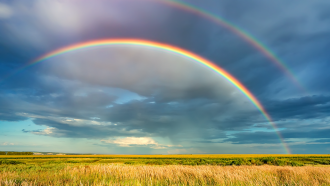
Explainer: Rainbows, fogbows and their eerie cousins
Light shining through a water droplet can make more than just a rainbow. A range of other colorful arcs also can develop.
- Animals
How to find the next pandemic virus before it finds us
Wild animals carry viruses that can sicken people. Monitoring those viral hosts that pose the greatest risk might help prevent a new pandemic.
- Climate
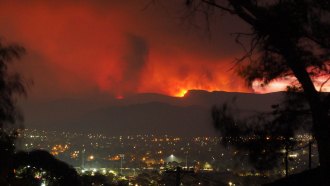
Climate change drove Australian wildfires to extremes
Australia’s devastating 2019–2020 wildfires were at least 30 percent more likely because of human-caused climate change.
- Climate
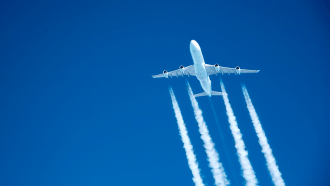
How to curb the climate heating by contrails
Contrails are narrow clouds left behind in the sky by jets. They add to climate change. But a new study suggests a way to curb their contribution.
- Environment
Here’s one way to harvest water right out of the air
Need water but you have no access to rain, lakes or groundwater? Materials known as metal-organic frameworks could be used to slurp that water from the air, new data show.
- Agriculture
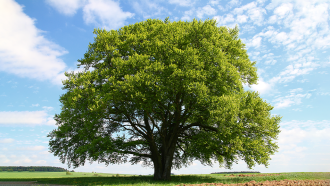
Let’s learn about trees
These long-lived woody plants provide shade for people, homes for animals — and help protect the planet against climate change.
- Earth
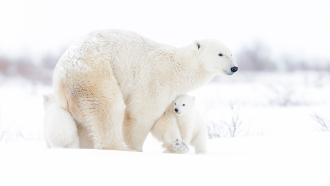
Let’s learn about the Arctic
The far North is a mix of vast tundra and icy waters, filled with interesting creatures, from tiny zooplankton to huge polar bears.
- Earth
Scientists Say: Ring of Fire
This horseshoe-shaped path on the fringes of the Pacific Ocean holds most of the world’s active volcanos and earthquake sites.