Humans
- Psychology
Everyone experiences malicious joy now and then
Called schadenfreude, feeling happy when we see someone else’s pain is typically harmless. But unchecked, it can have big consequences.
- Microbes
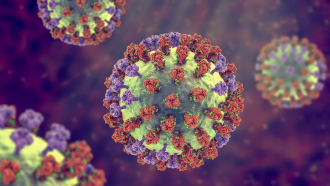
Let’s learn about viruses
Viruses cause a huge range of illnesses, but vaccines can help protect you against these infections.
- Health & Medicine
Recruits agreed to be buried face down in the snow, for science
A safety device helped maintain the buried person’s oxygen levels for a half hour or more, which might provide time for an avalanche rescue.
- Brain
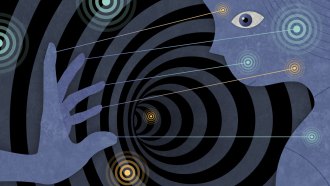
Hypnosis isn’t magic. It’s the brain at work
While we still don’t know much about how hypnosis works, it appears to help some people conquer pain, anxiety and other problems.
- Health & Medicine
Air pollution might harm children’s eye health
Scientists used machine learning to understand air pollution’s role in eye health and vision. They found children have better eyesight in cleaner air conditions.
- Psychology
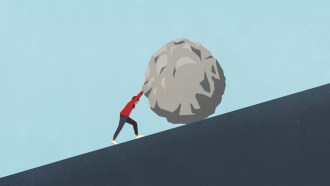
Sometimes the best way to reach a goal may be to quit an old one
We’re surrounded by messages to persevere through all challenges. But science shows that knowing when — and how — to quit is important, too.
- Psychology
Big goals can feel overwhelming. Here’s how to stay on track
Aiming for something big? Break that big goal into smaller, manageable steps. Then narrow your focus. This will keep your eyes on the prize.
- Humans
Scientists Say: Chronohygiene
Artificial lights and other aspects of modern life can confuse our body’s internal sleep clock. But a few minor changes may grant us much-needed control.
- Humans
How to invent a language — like that of Avatar’s Na’vi
Linguists can choose to follow, mix or break the rules of real-world languages to create interesting fictional ones.
- Genetics
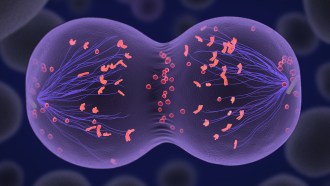
Scientists created human egg cells from skin cells
The technique could someday help people without reproductive cells of their own have children. But much more research is needed.
- Brain
Big moments can help you remember little things, too
Emotional events help solidify memories. Scientists think this could someday help students study better or aid recovery of trauma survivors.
- Health & Medicine
A little shape-up helps these pimple patches get a grip
These zit patches use some innovative geometry to anchor onto skin. This solves one problem that’s hindered other uses of microneedles for drug delivery.