Life
- Animals
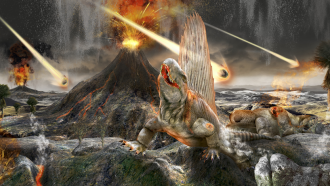
What killed the dinosaurs?
New evidence is emerging that a devastating combo of events — an asteroid impact and supervolcanoes — may be behind the dinosaurs’ demise.
- Genetics
Explainer: How PCR works
The polymerase chain reaction, or PCR, is like a DNA-copying machine. It duplicates genetic material over and over. Here’s how.
- Genetics
Scientists find genes that make some kids’ hair uncombable
Scientists have pinpointed three genes that cause ‘uncombable hair syndrome’ in some kids.
- Animals
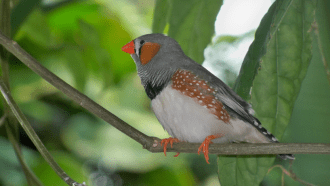
How birds know what not to tweet
How do birds perfect their pitches? The chemical dopamine spikes when they sing right, and dips when they drop a note, new data show.
- Brain
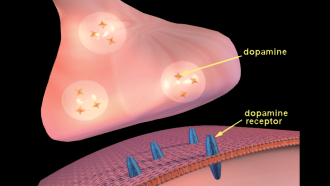
Explainer: What is dopamine?
Dopamine is a chemical messenger that carries signals between brain cells. It also gets blamed for addiction. And a shortage of it gets blamed for symptoms of diseases such as Parkinson’s.
- Brain
Explainer: What is neurotransmission?
When brain cells need to pass messages to one another, they use chemicals called neurotransmitters. This sharing of chemical secrets is known as neurotransmission.
- Agriculture
World’s tallest corn towers nearly 14 meters
Short nights and a genetic tweak helped novel corn reach record heights.
- Brain
Don’t let math stress you out
New research points to strategies for improving math performance in people who get stressed out by the numbers world.
- Animals
Dinosaur tail preserved in amber — feathers and all
Scientists have found the tail of a dinosaur trapped in amber. It includes both feathers and identifiable bits of bone.
- Animals
Food-like smell on plastic may lure seabirds to eat it
When plastic smells like supper, seabirds and other animals can be fooled into thinking it is food.
- Animals
Animals can do ‘almost math’
Humans aren’t the only animals with a number sense. Scientists are trying to figure out where and when it evolved.
- Brain
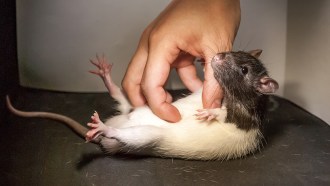
To reveal how the brain creates joy, start by tickling rats
Rats love a good tickle. Not only do they beg for more, but the action itself activates a part of the brain that detects touch, researchers find.