Life
- Microbes
Teen invents a dip to keep germs away
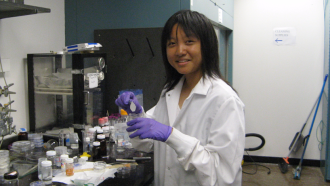
A teen competing in the 2017 Regeneron Science Talent Search invented an eco-friendly chemical mix. It should keep bacteria from growing on treated paper, fabrics — including wound coverings — and more.
- Life
Scientists Say: ATP
This chemical is a bit like a rechargeable battery. Cells build and break apart its chemical bonds to store and release energy.
- Brain
Teens make riskier decisions than children or adults
Teens may make risky decisions in part because they don’t care about uncertainty.
- Health & Medicine
Hibernation: Secrets of the big sleep
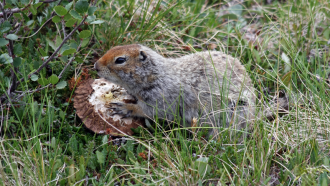
Mammals from bears to squirrels hibernate the winter away. Learning how they do it might one day help people mimic aspects of it to heal from brain injuries or voyage to Mars.
- Animals
Explainer: How brief can hibernation be?
Many animals frequently slow body functions and drop their temperatures — sometimes for just a day. Is that hibernation, or just torpor? Are the two even related? Scientists disagree.
- Agriculture
Wild hamsters raised on corn eat their young alive
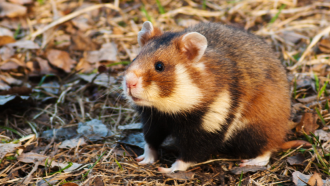
European hamsters raised in the lab turn into crazy cannibals when fed a diet rich in corn, new data show. The problem may trace to a shortage of a key vitamin.
- Computing
Germs power new paper batteries
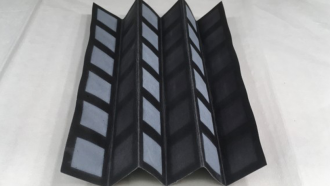
New paper-based batteries rely on bacteria to generate electricity. These ‘papertronic’ power systems may be a safer choice for remote sites or dangerous environments.
- Animals
Cool Jobs: Abuzz for bees
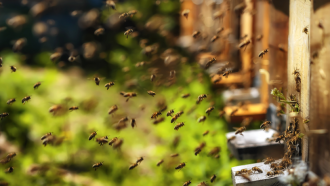
These scientists are keeping bees healthy, making medicines for people from honey and constructing bee-inspired robots.
- Microbes
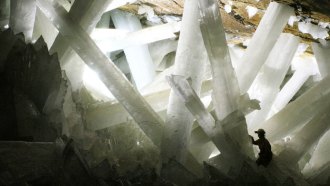
Giant cave crystals may be home to 50,000-year-old microbes
Microbes trapped in crystals in Mexico's Naica mine may represent some of the most distinct life forms ever found. The microbes have remained dormant for up to 50,000 years.
- Health & Medicine
Speaking Mandarin may offer kids a musical edge
Scientists have linked a type of musical ability with the knowledge of Mandarin, the primary language of China.
- Computing
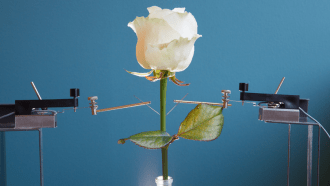
Wired and weird: Meet the cyborg plants
By mixing electronics with greenery, engineers have made plants that conduct electricity, detect bombs and send email.
- Genetics
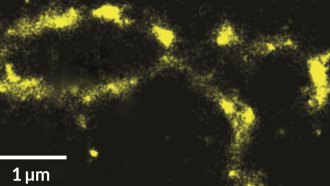
How to view tiny parts of DNA? Make them ‘blink’
A new technique can image nanoscale structures in cells without hurting them. No dyes needed. All you have to do is stimulate them with the right color of light.