Life
- Brain
Back off, bullies!
Mental health is another reason to stop bullies. Victims of bullying are more likely to develop anxiety problems than are victims of abuse or neglect, a new study finds.
- Health & Medicine
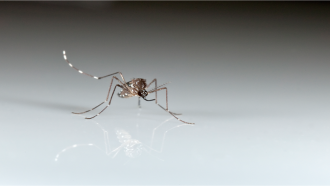
Do mosquitoes love you? Blame your parents
By studying twins, scientists found that how attractive we are to mosquitoes depends partly on our genes. That could lead to better bug repellents.
- Brain
Trip to Mars could damage astronauts’ brains
Experiments in mice suggest the high-energy particles that would zap astronauts on a mission to Mars could leave the explorers with brain damage.
- Animals
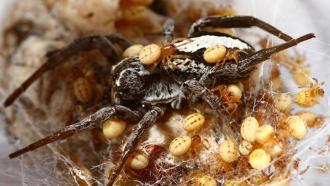
What’s for dinner? Mom.
Female spiders of one species make the ultimate sacrifice when raising their young: The mothers feed themselves to their children.
- Fossils
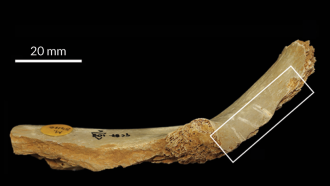
Ritual cannibalism occurred in Stone Age England
Stone Age human bones from a cave in England show signs of cannibalism. The people had been eaten during burial rituals nearly 15,000 years ago, experts say.
- Brain
Twisters: Can warning people too early backfire?
If people think they have enough time to flee a tornado, they may try to drive away, information shows. This could leave them stuck in traffic — with no protection — when the storm does show up.
- Fossils
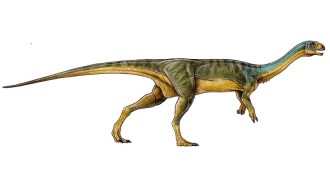
‘Frankenstein’ dino showed a mashup of traits
New species unearthed in Chile is “an anatomical Frankenstein,” declares one of its discoverers.
- Earth
News Brief: Smokin’ plants
A new study points out how some herb teas and spices could have accidentally picked up nicotine from the smokers working around them.
- Health & Medicine
News Brief: Ebola’s dead stay infectious for a week
The Ebola virus doesn’t die with its victims — at least not right away. A corpse may host live virus for up to a week after death, a new study finds.
- Agriculture
Ditching farm pollution — literally
An Indiana project shows how fighting fertilizer runoff can save farmers money, protect wild habitats and prevent harmful algae blooms.
- Microbes
Making a microbe subway map
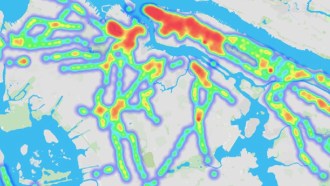
We are surrounded by bacteria, fungi and other tiny organisms. Now, high school scientists have contributed to the first map of microbes in the New York subway system.
- Fossils
There really was a Brontosaurus, study claims
A new analysis finds evidence that the Apatosaurus and Brontosaurus were separate groups of animals, which deserve their own names and places on the dino family tree.