Life
- Health & Medicine
New virus may have given kids polio-like symptoms
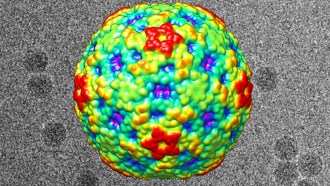
More than 100 U.S. children developed a paralyzing illness in 2014. Genetic evidence now suggests that the most likely culprit is a new form of a virus in the polio family.
- Animals
News Brief: Tiny songbird is mega-flier
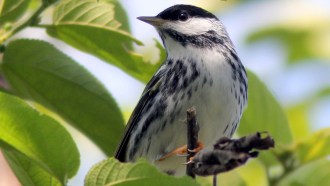
With no pit stops for refueling, this tiny bird wings it from Canada to South America.
- Animals
Scientists Say: Nematode
Nematodes are a group of related small worms found all over the world. They can cause disease, but they also can be useful for scientists to study.
- Genetics
How DNA is like a yo-yo
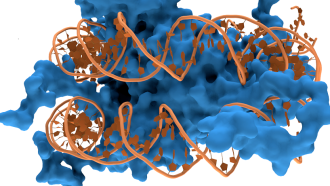
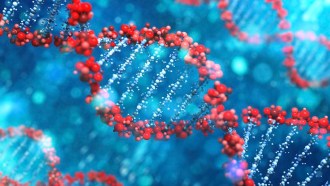
When not in use, DNA coils tightly. But it must uncoil for the cell to ‘read’ its genes. Physical forces affect how easily that happens, new data show.
- Animals
Secrets of slime
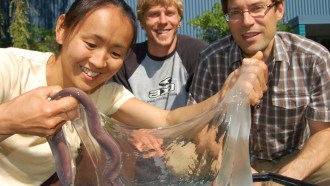
Mucus—snot—can be so gross. It’s also critical for many animals, including hagfish, snails and people. Snot can rid our bodies of nasty bacteria and viruses. In other creatures, it can smooth the road or rough up predators.
- Animals
Mates or survival: Which explains a bird’s color?
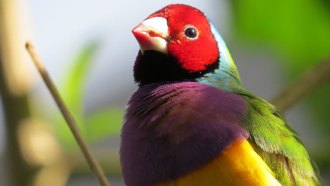
When male birds are brightly colored, we assume that’s because their plumage attracts the gals. But a new study with thousands of museum specimens shows that sometimes survival is just as important a factor behind bird color.
- Chemistry
Cooking up life for the first time
The basic components for life could have emerged together nearly 4 billion years ago on the surface of Earth, chemists report.
- Animals
Scientists Say: Irruption
Sometimes populations of animals can suddenly increase. The word for that is irruption.
- Animals
Why you’ll never see a dirty gecko
By knowing how a gecko’s skin works, could self-cleaning, water-repelling, antibacterial clothes be far behind?
- Chemistry
Silencing genes — to understand them
Hijacking a cell process called RNA interference can let scientists turn off a selected gene. Its silencing can point to what genes do when they’re on — and may lead to new treatments for disease.
- Microbes
Life’s ultra-slow lane is deep beneath the sea
Biologists had suspected the deep seafloor would be little more than barren sediment. But they found a surprising amount of oxygen — and life.
- Animals
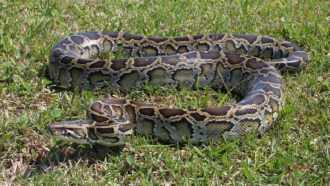
News Brief: Rabbit-hunting pythons are altering Everglades
Rabbits may breed rapidly, but not fast enough to compensate for the huge summer appetites of huge pythons roaming Florida’s Everglades.