Life
- Animals
We are stardust
Everything making up Earth and what’s now living upon it — from trees and people to our pets and their fleas — owes their origins to the elements forged by ancient stars.
- Animals
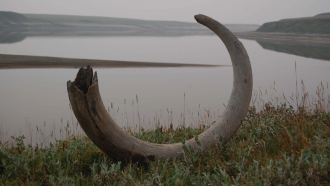
Flower loss doomed the mammoths
Woolly mammoths roamed the Arctic until about 10,000 years ago. Why they died out may trace to the vanishing of the mostly flowering plants on which they had been dining.
- Animals
Birds versus windows
Buildings in the United States can be deadly obstacles to flying birds. A new study estimates that as many as 1 billion birds die every year after colliding with windows. And low buildings — not skyscrapers — account for most of those deaths.
- Animals
Sharks become science helpers
Jaws may scare beachgoers. But sharks bring a smile to some environmental scientists, who are using the toothy fishes to collect data on the ocean.
- Brain
Video games can help some people read
People with dyslexia seem to get a boost from screen time.
- Animals
Tag, you’re it!
Biologists now deploy a wide range of technologies to track animals. The data these experts collect reveal insights into the behavior of animals that spend much of their lives out of human eyeshot.
- Animals
Explainer: Tagging through history
What started as little metal bands have evolved into high-tech devices — some of which rely on satellites to share their findings.
- Animals
Watch out for tree-climbing crocs
What’s that up in the tree? If you live in the right part of the world, it could be a hungry croc.
- Genetics
Where Native Americans come from
All tribes seem to derive from the same Asian roots, DNA indicates.
- Microbes
Arctic thaw is spreading wildlife diseases
Polar animals are encountering new, killer parasites as melting ice unlocks their access to new hosts.
- Animals
First living fish leaves ‘endangered’ list
Twenty-one years ago, a minnow facing a high risk of extinction was placed on the U.S. Endangered Species List. With help from scientists, the fish appears to have largely recovered. It’s the first ‘listed’ fish to do so.
- Animals
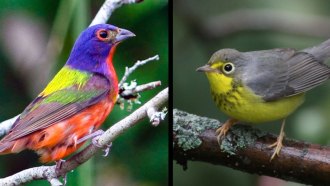
A weekend for the birds
February 14 to 17 is this year’s Great Backyard Bird Count. It offers an opportunity to not only learn about the birds in your neighborhood but also contribute to science.