Life
- Brain
Ghosts in your head
Many people see, feel and hear things that aren’t really there — despite how much their brain tries to convince them otherwise.
- Health & Medicine
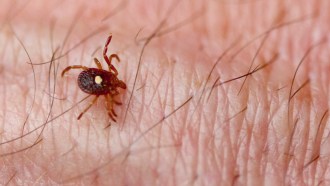
New ‘Heartland’ disease emerges in U.S. Midwest
A new viral disease causes major pain and flu-like symptoms. At present, no treatment or cure exists.
- Plants
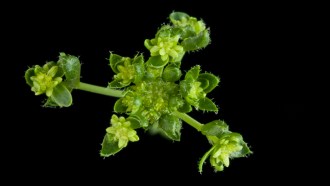
Wily bacteria create ‘zombie’ plants
Scientists have discovered how some plant pathogens ensure their own survival by transforming flowering plants into strictly leaf-producing ones. These green ‘zombies’ attract insects that the parasites need to help them spread to other plants.
- Animals
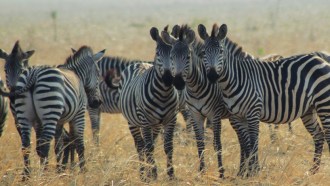
One plus to wearing stripes
A zebra’s black-and-white coat doesn’t offer cooling or camouflage, researchers find. Instead, its stripes appear to keep away biting flies — and deadly diseases.
- Brain
Loneliness can breed disease
Everyone experiences loneliness from time to time. But when allowed to persist, loneliness can damage your health and steal years from your life.
- Microbes
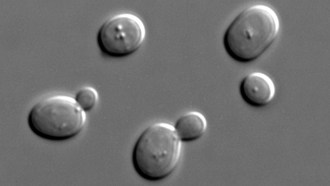
A success for designer life
Synthetic biologists are scientists who create custom organisms in the lab. Their efforts have just taken a big step forward. They have created the first lab-made yeast chromosome. The advance could lead to entirely synthetic organisms customized to produce food, fuel or medicine.
- Animals
Sea otters picked up swine flu
A new study finds that large numbers of sea otters off of the U.S. Pacific coast have been exposed to the ‘pandemic’ type of this killer virus.
- Animals
When a species can’t stand the heat
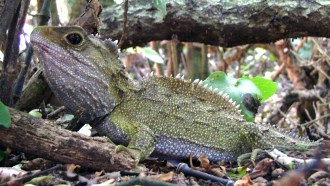
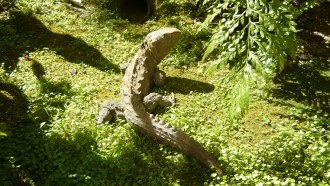
When temperatures rise, New Zealand’s tuatara produce more males. With global warming, that could leave the ancient reptile species with too few females to avoid going extinct.
- Animals
Explainer: How invasive species ratted out the tuatara
The introduction of rats to New Zealand led to huge population losses of the ancient tuatara. These uncommon reptiles vanished from the mainland. This left isolated populations to survive on several dozen isolated islands.
- Brain
Understanding Autism
Genetics appears to play some role in this disorder, which affects more than one percent of all Americans.
- Brain
Getting a head start on autism
Early diagnosis followed by early treatment may reduce autism’s impact on kids — and help them to communicate better.
- Animals
Kangaroos have ‘green’ farts
The farts and belches of these animals contain less methane than do those from other big grass grazers. Microbes in their digestive tract appear to explain the ‘roos lower production of this greenhouse gas, a new study finds.