Life
- Computing
Sleep helps AI models learn new things without forgetting old ones
Breaks in training meant to mimic human sleep helped artificial intelligence learn multiple tasks.
- Animals
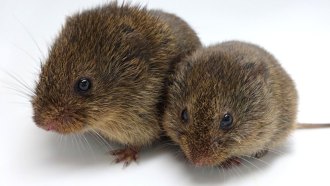
Prairie voles can couple up even without the ‘love hormone’
Scientists thought the chemical oxytocin was required to make prairie voles mate. They were wrong.
- Health & Medicine
Explainer: Why it’s easier to get sick in the winter
Low humidity helps viruses survive, and cold weather blunts some of the body’s immune responses — making colds and other viral infections more likely.
- Environment
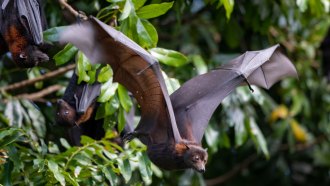
Protecting forests may help head off future pandemics
Hungry bats are more likely to shed harmful viruses to people or livestock when they spread out to hunt food. Conserving forests may limit this risk.
- Brain
The pandemic prematurely aged teens’ brains
A small study showed certain structural changes that appeared three to four years early. Normally, premature aging of the brain is not a good sign.
- Animals
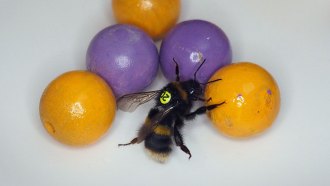
Bumblebees go out of their way to play
Young bumblebees roll wooden balls and go out of their way to do so. This suggests they play like other animals do.
- Fossils
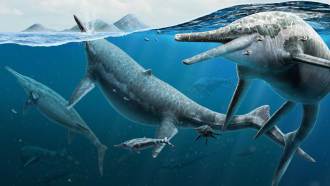
An ancient ichthyosaur graveyard may have been a breeding ground
Some 230 million years ago, huge dolphin-like reptiles appear to have gathered to breed in safe waters, just as many whales do today.
- Animals
Scientists Say: Metamorphosis
Animals that go through metamorphosis look very different as adults than they did as kids.
- Brain
Some screen time may aid kids’ recovery from concussions
A few hours a day on digital devices may actually aid recovery by connecting kids with friends and giving their brains some stimulation.
- Animals
This parasite makes wolves more likely to become leaders
Gray wolves infected with Toxoplasma gondii make riskier decisions. This makes them more likely to become pack leaders or strike out on their own.
- Microbes
Mouth-crawling superbugs cause severe cavities in kids
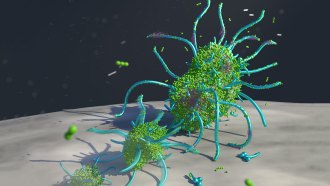
In kids with severe tooth decay, fungi and bacteria team up to create superorganisms that can crawl across teeth.
- Chemistry
Explainer: All about carbon dioxide
Animals and other life on Earth exhale carbon dioxide, which plants use for photosynthesis. But too much of this gas can perturb Earth’s climate.