Life
- Fossils
Sprinting reptiles may have been forerunners of soaring pterosaurs
A new analysis of an old fossil supports the idea that winged pterosaurs evolved from swift and tiny two-legged ancestors.
- Animals
Splatoon characters’ ink ammo was inspired by real octopuses and squid
In Nintendo’s Splatoon game series, Inklings and Octolings duke it out with weapons that fire ink. How does this ink compare with that of real octopuses and squid?
- Animals
Cars hit more deer in the week after daylight saving time ends
In the days right after most Americans turn back the clock, vehicle crashes with deer increase by 16 percent, a new study shows.
- Chemistry
Scientists Say: Fluorescence
This property causes materials — including some animals’ skin, fur or feathers — to glow under light.
- Environment
Bacterial ‘living wires’ could help protect the seas and climate
Long, thin bacteria that conduct electricity may be able to help clean up oil spills and reduce emissions of methane, a powerful greenhouse gas.
- Agriculture
Let’s learn about eating bugs
Eating more insects, rather than pork, beef or other kinds of meat, may be better for the planet.
- Brain
Scientists Say: Glymphatic System
The glymphatic system bathes the brain in cleansing fluids during sleep and clears away harmful cellular waste.
- Animals
Insect swarms might electrify the air as much as storm clouds do
Honeybees that flew over a voltage sensor sparked a new look at the effect of insects on electricity in the atmosphere.
- Animals
If mosquitoes vanished, would we miss them? Vampire spiders might
Vampire spiders get their meals from blood-filled Anopheles mosquitoes. But if those insects disappear, the spiders will likely adapt.
- Animals
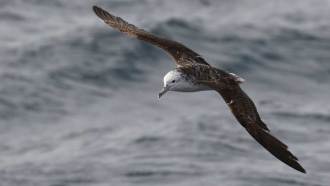
Some seabirds survive typhoons by flying into them
Some birds take massive detours to avoid cyclones. But shearwaters caught between land and the storm’s eye sometimes fly toward the storm’s center.
- Animals
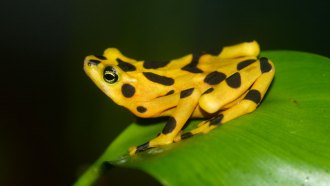
Some spikes in malaria cases may be tied to amphibian die-offs
Amphibian deaths from a fungal disease may have led to more mosquitoes — and an increase in malaria cases in Costa Rica and Panama.
- Health & Medicine
How wriggling, blood-eating parasitic worms alter the body
Parasitic worms eat blood and make people sick, but they may also help prevent or treat some diseases.