Life
- Animals
How to tell if cats are having fun — or if fur is flying
Quietly wrestling cats may be hard at play. But if they’re chasing and yowling, you might have a cat fight on your hands.
- Microbes
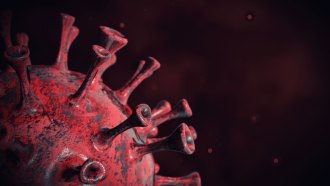
Scientists Say: Virus
A virus must take over a living cell's machinery to make more viruses.
- Fossils
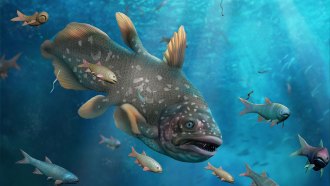
Ocean life may have bounced back after the ‘Great Dying’
Marine ecosystems may have been back in action just a million years after the most severe extinction event known.
- Ecosystems
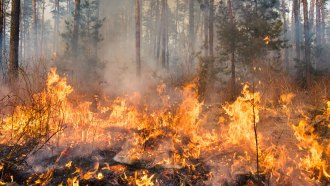
Let’s learn about how wildfires keep ecosystems healthy
Wildfires are so important for many ecosystems that sometimes professionals set them on purpose.
- Brain
Ingredients in popular snack foods can make them addictive
Researchers find that highly processed foods rich in sugar and added fat may be as addictive as tobacco.
- Plants
Mimosa plant ‘muscles’ fold tickled leaves fast
A mimosa plant uses special cells to close leaflets when bumped and then reopen them — again and again.
- Animals
People and animals sometimes team up to hunt for food
Dolphins working with people to catch fish recently made a big splash. But humans have a long history of cooperating with other animals.
- Animals
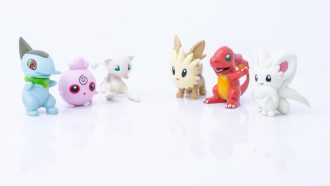
Pokémon ‘evolution’ looks more like metamorphosis
Pokémon “evolve” into larger, more powerful forms within seconds, but this evolution more closely resembles another biological process — metamorphosis.
- Animals
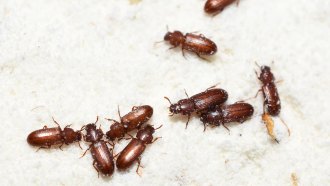
These beetles ‘drink’ water using their butts
Red flour beetles can survive in very dry environments. New research shows how the beetles can suck water from the air using their rear ends.
- Animals
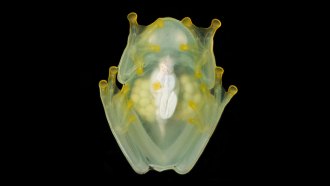
Sleeping glass frogs go into stealth mode by hiding red blood cells
Glass frogs snoozing among leaves blend in by hiding almost all their red blood cells in their liver.
- Animals
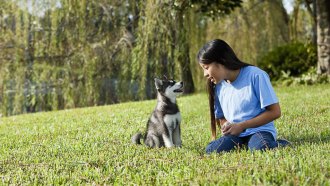
Analyze This: Puppies naturally mimic human actions
Unlike cats, whose ancestors hunted alone, dogs evolved from a species that hunted in packs. Being social might explain why pups copy humans.
- Genetics
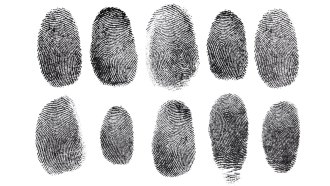
Experiment: Are fingerprint patterns inherited?
Let’s investigate whether fingerprint patterns are created randomly or whether they are influenced by genetics.