Life
- Brain
Scientists Say: Brainwaves
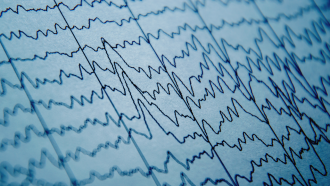
These patterns of electrical activity in the brain look like spikes or waves.
- Animals
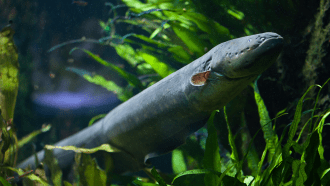
Let’s learn about electric eels
Learn about where an electric eel’s powerful jolt comes from and more with this collection of stories.
- Brain
Zapping the brain may make it work right again
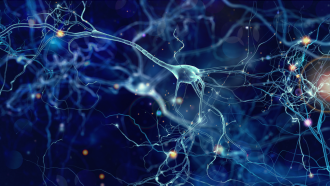
Sending electrical zaps to electrodes implanted deep in the brain can help people with Parkinson’s disease, depression and even obsessive-compulsive disorder.
- Fossils
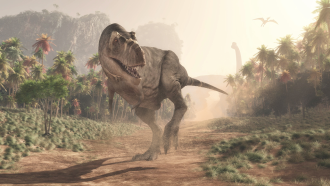
Let’s learn about dinosaur extinction
Dinosaurs disappeared 66 million years ago, at the end of the Cretaceous. What made them go extinct?
- Animals
Pandas use their heads as a kind of extra limb for climbing
Their short legs on a stout bear body mean pandas use a rare technique to climb up a tree.
- Environment
Decades-long project is linking our health to the environment
Started in 1959, this California study is one of the oldest ongoing research projects in the world.
- Brain
Do you sleep enough to banish unpleasant moods?
A large, long-term study in kids has linked getting too little shuteye with mood and behavior problems.
- Chemistry
Scientists Say: Fermentation
Fermentation breaks down carbohydrates, such as sugars, producing energy and making gases, acids or alcohol. This process can help make foods and fuels.
- Animals
Here’s how butterfly wings keep cool in the sun
Butterfly wings sport structures that let living tissues release more heat than the rest of the wing.
- Genetics
Answers to your questions on the new coronavirus
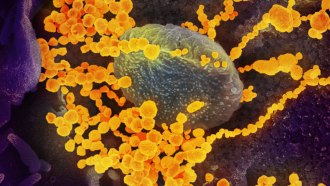
As SARS-CoV-2 spreads globally, researchers are looking for answers on why this novel coronavirus is so infectious and hard to control.
- Animals
What would it take to make a unicorn?
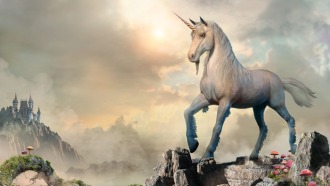
Onward’s dumpster-diving unicorns seem like an impossibility. But scientists have some ideas about how unicorns could become real.
- Earth
Scientists Say: Fossil
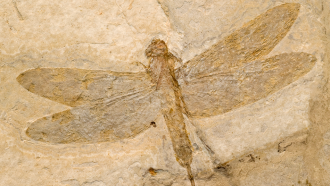
Under the right conditions, living things or traces they’ve left behind can be preserved in rock for a long time — millions or billions of years.