Life
- Earth
Reliving the last day of the dinosaurs
The Chicxulub crater is helping reveal what happened on the day a 12-kilometer-wide asteroid slammed into the Gulf of Mexico, 66 million years ago.
- Animals
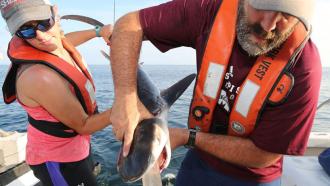
Tiger sharks feast when migratory birds fall out of the sky
Migrating land-based birds that fall from the sky as they cross the Gulf of Mexico can end up in the belly of a young tiger shark.
- Animals
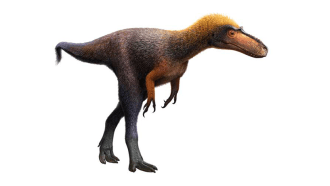
This tiny dinosaur is officially T. rex’s cousin
A newly identified dinosaur species fills a gap in the tyrannosaur family tree.
- Animals
Slimy fish could aid the search for new drugs
Fish slime could teach scientists about bacteria that live on fish and aid in the hunt for new kinds of antibiotics.
- Animals
Analyze This: Amphibian populations are on the decline
The chytrid fungus has been wiping out amphibians around the world. Scientists have tallied up the declines and found that the fungus is responsible for dozens of extinctions.
- Animals
In a first, scientists keep cells alive in the brains of dead pigs
They’re not true zombies — but these pig brains showed signs of cellular life long after the animals had died.
- Animals
Let’s turn a genie blue
Aladdin’s genie is very magical. He’s also blue. What might explain that? Nature has some tricks on offer.
- Animals
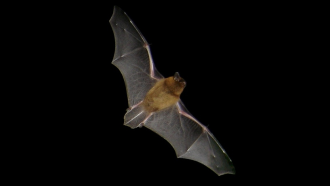
Bats in the attic prompt boys to create a better bat detector
When a teen learned he had 700 bats in his attic, he decided to develop a better bat detector.
- Animals
Geneticists get closer to knowing how mosquitoes sniff out our sweat
Scientists have found that a protein in the antennae of some mosquitoes detects a chemical in human sweat.
- Animals
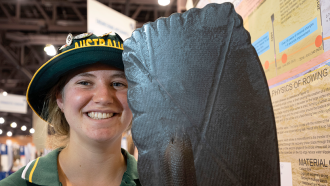
Bumpy edges could be key to record-breaking oars
Inspired by the bumpy edges of flippers on a humpback whale, an Australian teen has redesigned oars for use by competitive rowers.
- Animals
Scientists Say: Guinea worm
Scientists and health care workers are working to eradicate this parasite, which causes a painful condition called Guinea worm disease.
- Animals
Two teens pull DNA from birds out of the air
Animals shed DNA into their environment. Usually scientists find it in water or soil. Now, two teens have figured out how to capture this “environmental DNA” from air.