Life
- Brain
A sixth finger can prove extra handy
Two people born with six fingers on each hand adeptly control their extra digits, using them to do tasks better than five-fingered hands.
- Animals
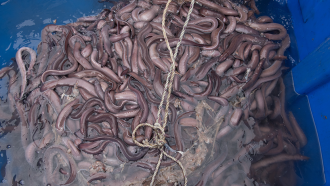
Scientists Say: Hagfish
Hagfish are eel-shaped fish with many traits that make them similar to long-vanished fossils. When threatened, they can pump out piles of slime.
- Animals
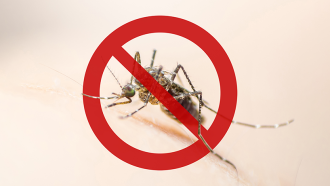
A fungus plus a spider toxin equals a weapon to kill mosquitoes
A new weapon could help fight mosquitoes that spread malaria. It’s an engineered fungus that infects the insects — then kills them with a spider poison.
- Archaeology
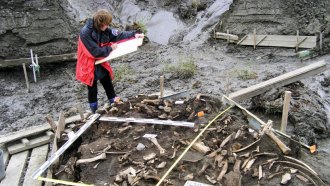
DNA reveals clues to the Siberian ancestors of the first Americans
Researchers discovered a previously unknown population of Ice Age people who crossed the Asia-North America land bridge.
- Health & Medicine
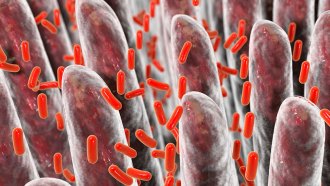
Gut bacteria may affect how well your medicines work
Gut bacteria can chemically change the drugs people swallow. ID-ing a patient’s microbes might one day help doctors prescribe the most effective drugs.
- Animals
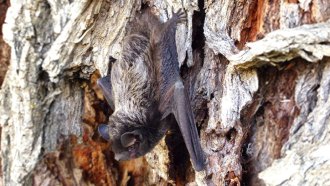
Bats are now the primary source of U.S. rabies deaths
Although human rabies is not common in the United States, it still occurs. But here dogs are no longer the likely source of this oft-lethal infection: Bats are.
- Earth
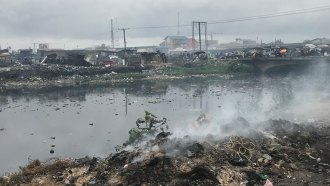
Antibiotics pollute many of the world’s rivers
A survey of 165 rivers finds unsafe levels of antibiotics at one in six sites tested. Such pollution can leave germs resistant (unharmed) by the drugs.
- Science & Society
The U.S. prison system can harm young brains, scientist warns
The U.S. justice system holds teens to adult standards. And that can harm a teen’s developing brain, one researcher now argues.
- Life
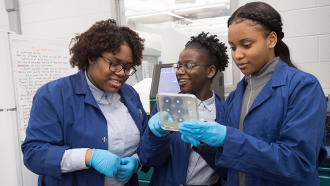
Teens swipe a door handle and find an antibiotic
Three teens swabbed a smartphone, a door handle and a hand dryer. The new bacterium they turned up can kill other types of germs.
- Animals
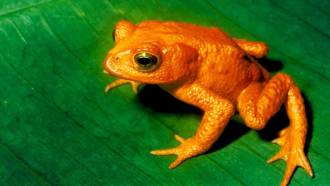
A million species could vanish, and people are to blame
Human activities are putting a million plant and animal species at risk of extinction, a new study finds. But it’s not too late to save many of them, scientists add.
- Climate
City living makes trees grow fast but die young
Many cities plant trees to absorb carbon dioxide. But city trees grow fast and die young, which means they absorb less carbon dioxide than forest trees do.
- Animals
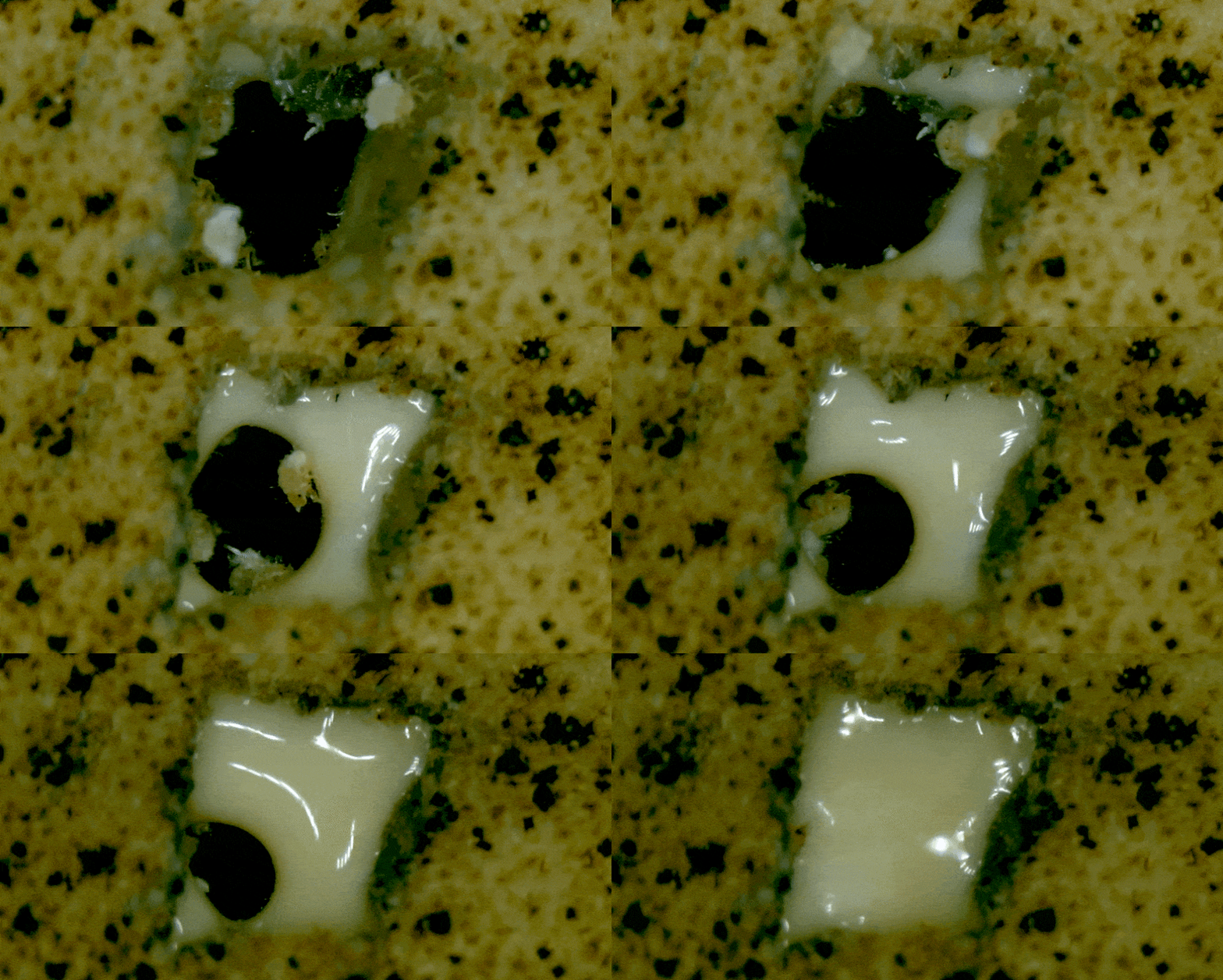
Young aphids sacrifice themselves to make home repairs
Young aphids swollen with fatty substances save their colony by self-sacrifice. They use that goo to patch breaches in the wall of their tree home.