Life
- Genetics
Shaking hands could transfer your DNA — leaving it on things you never touched
After a long handshake, the DNA you trade could end up on things you never touched.
- Animals
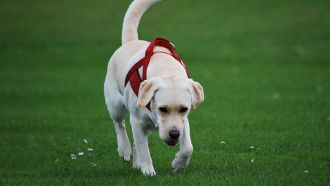
The smell of fear may make it hard for dogs to track some people
Genes and stress may change someone’s scent, confusing search dogs.
- Brain
Art can make science easier to remember
Students who learn science using art remember what they learned longer than those in regular classes.
- Ecosystems
Scientists Say: Wetland
Wetlands are land areas that are flooded with water some or all of the time. They’re more than just wet, though. They filter water, shelter young animals and much more.
- Genetics
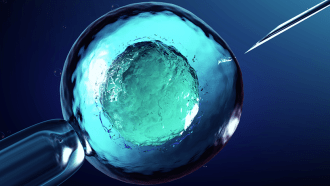
Some scientists ask for ban on the gene editing of babies
Scientists and research organizations have just issued calls for a voluntary ban on editing genes that can be inherited by people.
- Animals
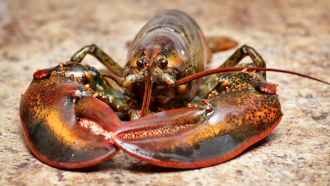
Warming pushes lobsters and other species to seek cooler homes
Plants and animals are moving toward the poles, changing timing of important events and more — all in response to climate change.
- Climate
Photographing wildflowers and other ways you can help fight climate change
Citizen scientists can help with climate and conservation research by counting birds, taking pictures of flowers and deciphering old weather records.
- Animals
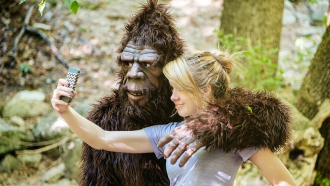
Have we found bigfoot? Not yeti
Believe in bigfoot or sasquatch? The scientific evidence says bears are to blame for traces of yeti and abominable snowmen. But it’s ok to keep searching.
- Animals
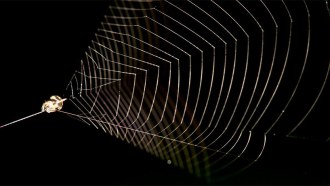
This spider slingshots itself at extreme speeds to catch prey
By winding up its web like a slingshot, this spider achieves an acceleration rate far faster than a cheetah’s.
- Animals
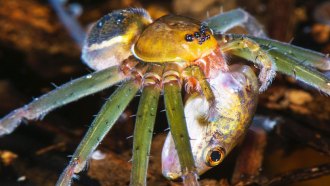
Spiders’ weird meals show how topsy-turvy Amazon food webs can be
Rare sightings of invertebrates eating small vertebrates upend some assumptions about who eats who in the Amazon rainforest’s complex ecosystem.
- Animals
The world’s largest bee was lost, but now it’s found
Wallace’s giant bee hadn’t been spotted in the wild in almost 40 years. Now, scientists have found it again.
- Animals
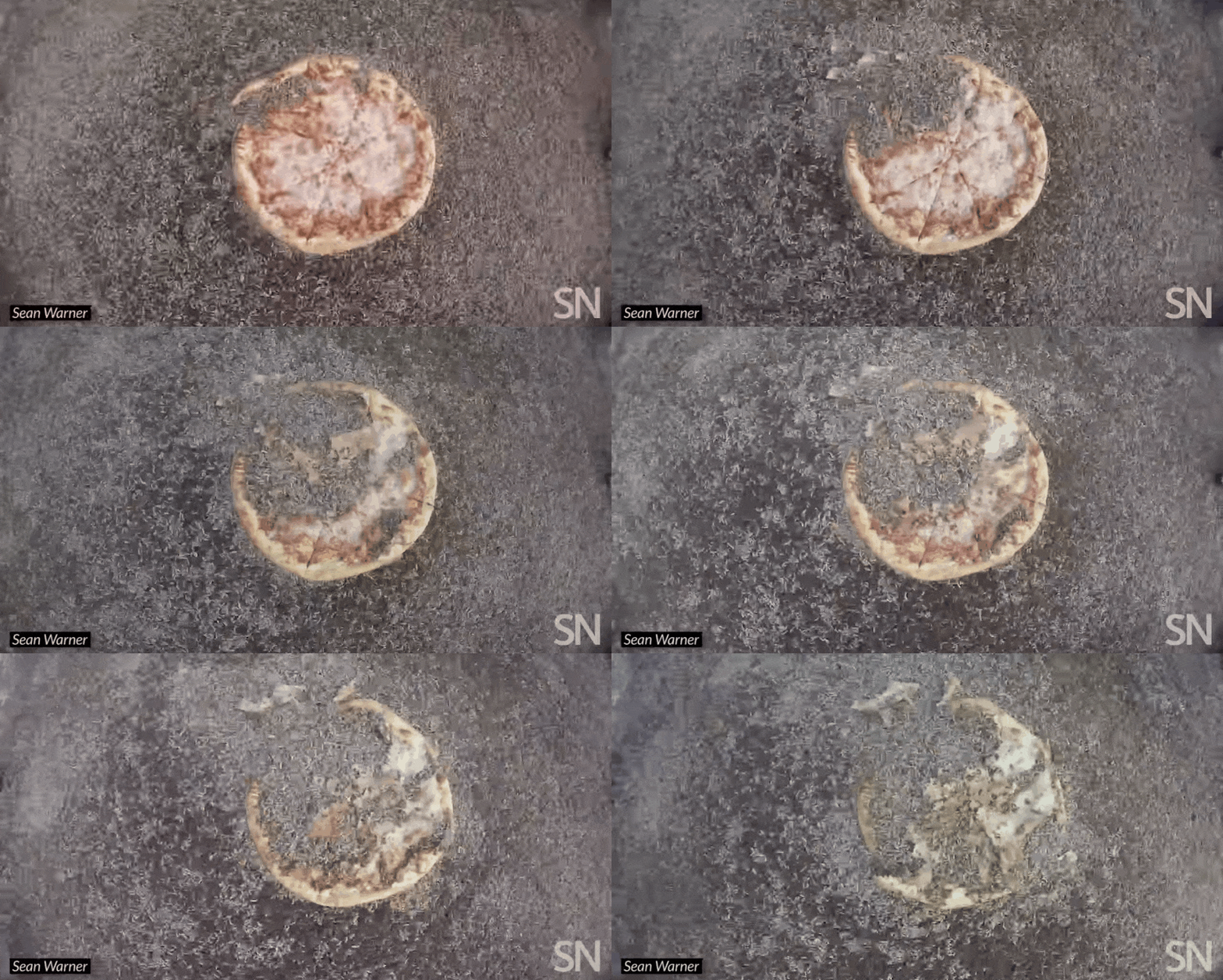
How these maggots efficiently demolish a pizza
Mobs of black soldier fly larvae create a living fountain that lifts slowpoke noneaters out of the way.