Life
- Health & Medicine
Worms in the gut keep mice from getting plump on high-fat food
Parasites kept mice from gaining weight on a high-fat diet. But receiving transplants of immune cells from these wormy mice also halted weight gain in mice without worms.
- Microbes
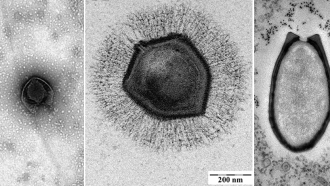
Analyze This: These viruses are behemoths
Scientists keep finding larger and larger viruses. Just how big can these microbes get?
- Agriculture
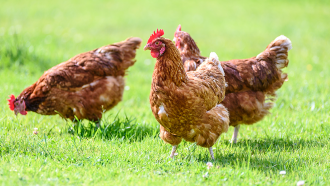
Barnyard science: Check out this fowl research
New research shows how to store eggs, insulate homes with chicken feathers and slow fires with shells.
- Brain
Belly bacteria can shape mood and behavior
Our guts and our brains are in constant communication with the goal of managing a whole lot more than food digestion. Their conversations can affect stress, behaviors — even memory.
- Ecosystems
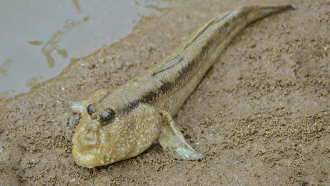
A robotic fish could help mangroves grow
Reforested mangroves don’t always grow well. To figure out why, two teens built a robotic mudskipper to measure the mud.
- Brain
Not all social media sites are equally likely to provoke anxiety
Most teens are on social media. Could these sites cause anxiety? A teen checks it out — and finds big differences.
- Health & Medicine
Bad food? New sensors will show with a glow
Sensors that glow around dangerous germs could be built into packaging to warn people of tainted foods.
- Animals
Hunting hidden salamanders with eDNA
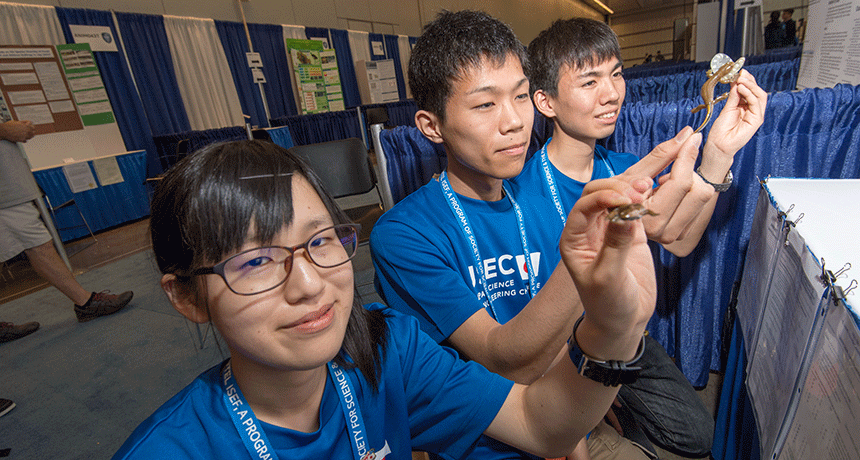
The Japanese clouded salamander is an elusive beast. To find a new population, three teens turned to high-tech methods.
- Animals
‘Boot camp’ teaches rare animals how to go wild
Animals raised in captivity cannot safely re-enter the wilds without first understanding how to find food and avoid becoming a predator’s lunch. Scientists are helping some species learn this.
- Ecosystems
Small swimmers may play huge role in churning the seas
Hoards of migrating shrimp and krill can cause large-scale water movements in the ocean, a new study suggests.
- Health & Medicine
Scientists discover how norovirus hijacks the gut
Noroviruses make people vomit, but scientists didn’t actually know why. It now turns out that those viruses cause their misery by attacking special “tuft” cells in the gut.
- Genetics
Your DNA is an open book — but can’t yet be fully read
There are many companies that offer to read your DNA. But be prepared: They cannot yet fulfill all those promises you read in their ads.