Physics
- Physics
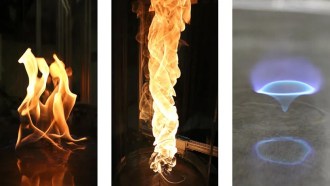
Scientists Say: Blue whirl
Four types of smaller flames create the perfect firestorm of elegantly efficient combustion.
- Physics
Scientists shrink 3-D printing so it can work inside cells
The new tech created barcodes, micro-lasers and a tiny elephant — all in living cells.
- Physics
This microphone picks up sounds by watching them
This microphone can “hear” by viewing the tiny vibrations made in everyday objects as sound waves strike them.
- Tech
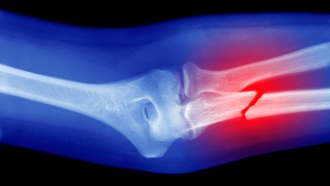
A modified glue gun squirts a material to help heal broken bones
The handheld printer might someday apply bone-repair patches directly onto fractures — complete with antibiotics to prevent infection.
- Space
Scientists caught a black hole ringing like a bell
Two black holes merged, creating a new, bigger one. This event triggered the clearest ripples in spacetime ever observed.
- Earth
These ultra-long experiments outlive their scientists — on purpose
To study phenomena that unfold over decades or even centuries, scientists may launch projects they may never see finished.
- Chemistry
New materials yank ‘forever chemicals’ from water
Materials known as metal-organic frameworks, or MOFs, trap some PFAS fast — and can be reused again and again.
- Science & Society
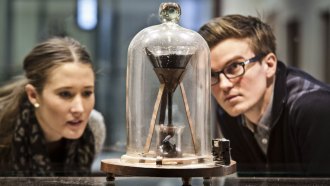
Behold the world’s weirdest library — which might save your life
This bizarre collection of “standard reference materials” help ensure the safety of waterways, buildings, medicines, foods and much more.
- Materials Science
Spooky! Grooved surface sends ice sailing — no outside push needed
Boulders that have mysteriously moved across Death Valley’s landscape inspired the work. The new surface can slingshot ice in a chosen direction.
- Space
Let’s learn about spooky ‘dark energy’
No one knows exactly what this stuff is, but it’s shaping our universe on the largest scales.
- Physics
Scientists Say: Infrasound
“Listening” for changes in these deep rumblings can allow scientists to predict earthquakes and other geological events.
- Chemistry
Structures that work like Hermione’s magic handbag land a chemistry Nobel
Richard Robson, Susumu Kitagawa and Omar Yaghi developed these metal-organic frameworks, which can trap pollutants, collect water from air and more.