
All Stories by Kathiann Kowalski
- Earth
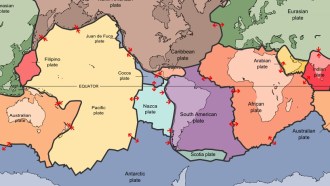
Explainer: Understanding plate tectonics
Plate tectonics is the process whereby Earth continually rebuilds itself — and causes destructive events like earthquakes and volcanic eruptions.
- Computing
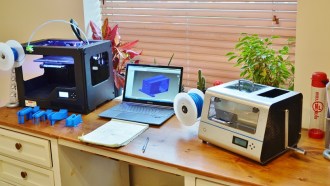
3-D Recycling: Grind, melt, print!
A new 2-in-1 desktop machine quickly recycles plastic trash into low-cost 3-D printer ‘ink’ at the push of a button.
- Chemistry
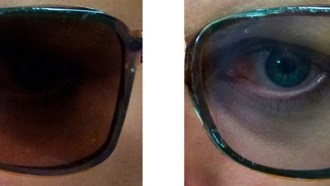
Sunglasses on demand
Plastics that conduct electricity let new color-changing sunglasses go from dark to light and back again at the tap of a switch. The shades could come in a range of colors too.
- Computing
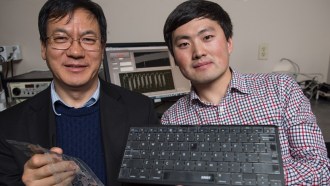
This ‘smart’ self-cleaning keyboard is powered by you
A new electric keyboard locks out anybody but its owner. It’s not only self-cleaning but also powered by your fingertips.
- Brain
Blowing up the brain
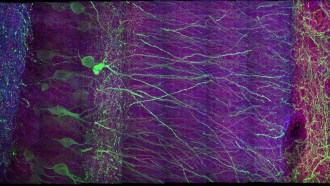
When added to brain tissue, a chemical like one found in baby diapers expands. And it expands that brain tissue too, giving scientists a better view of how its cells connect.
- Animals
Hellbenders need help!
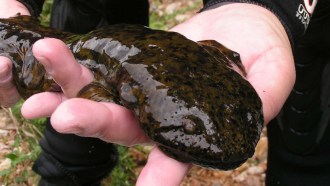
Hellbenders already face threats such as habitat loss, pollution and disease. But climate change could make matters worse. And the problems facing hellbenders could spell trouble for more than just these giant amphibians.
- Chemistry
Rewritable paper: Prints with light, not ink
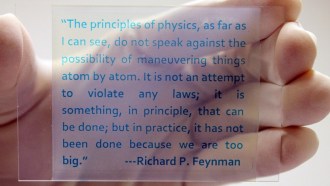
Rewritable paper could save money, preserve forests and cut down on waste — and all without using any ink.
- Agriculture
Livestock: A need to save rare breeds
New studies and ongoing work highlight why society should save rare livestock breeds — and the part that technology can play.
- Agriculture
Explainer: What is a gene bank?
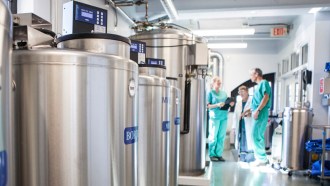
Most banks store money. But some very special ones store deposits that may prove even more valuable: tissues that could prevent the extinction of breeds and species.
- Computing
Explainer: What is a computer model?
Computer models use data, math and computer instructions to predict events in the real world.
- Brain
Scents may affect how appealing tobacco is
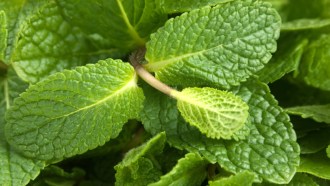
Menthol’s effects on the brain may make tobacco more addicting. In contrast, foul odors might help smokers quit. Two new studies show how.
- Computing
Models: How computers make predictions
They use numbers to model real-world activities. And new insights in math are streamlining models’ design.