
All Stories by Kathiann Kowalski
- Physics
Disabilities don’t stop these experts in science and tech
People with disabilities are as varied as the careers some of them pursue in science, technology, engineering and math.
- Science & Society
Deaf students can overcome hurdles to careers in STEM
Classroom tactics to help deaf students may also pay big benefits for students who hear just fine.
- Health & Medicine
Racial discrimination may aggravate asthma, study finds
Kids who suffer racial discrimination are more likely to develop a hard-to-treat form of asthma. New data suggest the stress of bigotry can affect the immune system, potentially making the disease worse.
- Agriculture
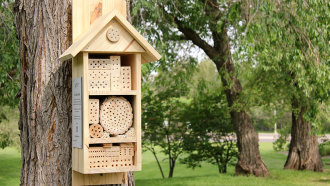
Bee hotels are open for business
Bee hotels are creating a buzz in conservation and research by offering nesting places for wild bees.
- Earth
Tiny air pollutants inflame airways and harm heart
New studies show how tiny bits of air pollution, called particulate matter, can lead to health problems ranging from chronic runny noses to heart disease.
- Tech
How to safely watch a solar eclipse
Certified safety glasses are a must for protecting your eyes when looking at the sun. Here’s how to safely enjoy a solar eclipse, like the one on August 21, 2017.
- Physics
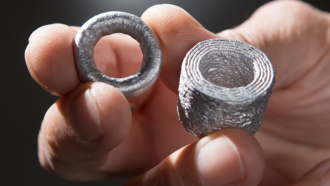
Father and son harness magnetic fields for new type of 3-D printing
A dad and his son have developed a new 3-D printing method in their basement. It harnesses pulsed magnetic fields to build metal objects one tiny aluminum drop at a time.
- Math
What happens when you look at crime by the numbers
Statistics can find crime hot spots or flag which police officers are more likely to shoot at crime scenes. Unfortunately, some data risk misleading the police.
- Brain
Heartbeat can affect racial perception of threat
Links between nerves in the heart and the brain shed light on why some police may be more likely to shoot an unarmed person who’s black than one who is white.
- Chemistry
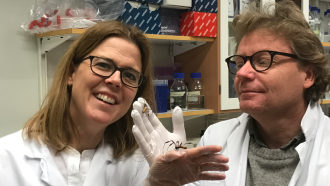
How to spin synthetic spider silk
A new method for spinning artificial spider silk combines parts of proteins from two species and mimics what happens in a spider’s silk-forming gland.
- Genetics
Explainer: How PCR works
The polymerase chain reaction, or PCR, is like a DNA-copying machine. It duplicates genetic material over and over. Here’s how.
- Psychology
Racism hurts
Hate crimes and harassment since the 2016 election affirm that racism still exists in America. Here’s what racism is, how it hurts and how people who witness it can respond.