Ecosystems: Interactions, Energy, and Dynamics
- Agriculture
Dew collector brings water to thirsty plants
This invention grabs water from the air at night. All it needs is the sun’s warmth the next day to release that moisture to growing plants.
- Animals
Africa’s poisonous rats are surprisingly social
Scientists confirm that the African crested rat can safely cover itself in poison and also find that the rodents may live in pairs — or even family groups.
- Brain
Loneliness makes our brains crave people
An area of the brain that lights up when hungry people see food also revs up when lonely people see social activities.
- Animals
Utah mink is first known case of the coronavirus in a wild animal
A wild mink appears to have picked up the novel coronavirus from farmed animals. Such spread in the wild does not appear common.
- Animals
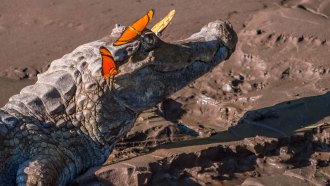
Scientists Say: Lachryphagy
Some insects land on the eyeballs of larger animals. They are seeking out the salt and proteins in the animal’s tears.
- Agriculture
How to grow your own science experiment
Does fertilizer help plants grow better? You might expect it to, but how can you know? This experiment will help you test it yourself.
- Chemistry
Here’s how to make flip-flops biodegradable
Innovative flip-flops made from an algae-based plastic decompose in soil or compost. The comfy shoes also avoid use of fossil fuels.
- Ecosystems
Analyze This: Shipwrecks provide a home for bottom-dwelling fish
Fish have found a habitat in a submarine and freighter that sunk to the seafloor during World War II.
- Animals
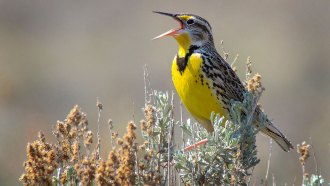
Around the world, birds are in crisis
Human activities around the world are threatening bird species. Numbers of even some of the most common species are starting to fall.
- Animals
Ogre-faced spiders listen closely to snatch bugs from the air
Ogre-faced spiders can hear prey sneaking around behind them. Low frequencies can trigger a blind, backwards attack.
- Animals
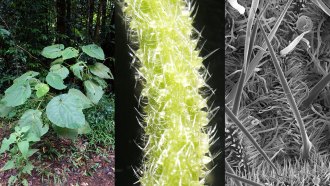
Please do not touch the Australian stinging tree
Stinging-tree leaves look soft and inviting, but one touch delivers agony. Structurally, the plant's painful chemical looks a lot like spider venom.
- Health & Medicine
Third major vaccine shows great promise against COVID-19
This vaccine, which may be easier to get to the public, appears to be 90 percent effective at halting disease and maybe spread of the new coronavirus.