Ecosystems: Interactions, Energy, and Dynamics
- Brain
Search for ‘rewards’ is big driver in remodeling a teen’s brain
Communication ‘highways’ in the brain undergo a major overhaul as children morph into adults. Dopamine plays a big role in this remodeling project.
- Animals
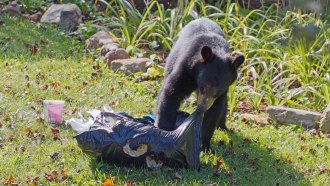
Changing people’s behavior can make bear life better
Black bears don’t always live life on the wild side. More and more, they live near people. Here’s how people and bears can get along.
- Environment
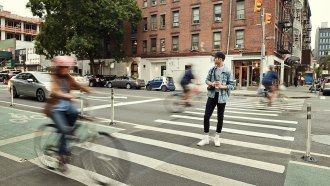
Urban pollution can pose unseen risks to kids’ immunity and more
A trio of new studies links immune changes and high blood pressure to inhaling bad air.
- Animals
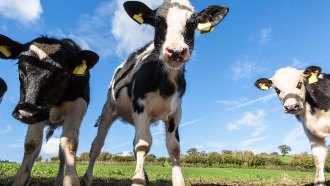
Analyze This: Cows burp less methane after early-life treatment
Calves that receive the 14-week treatment belch less of the greenhouse gas, possibly due to shifts in their gut microbes.
- Brain
Scientists may have finally found how catnip repels insects
The plant deters mosquitoes and fruit flies by triggering a chemical receptor that, in some animals, senses pain and itch.
- Animals
Urban gardens create a buffet for bees
City gardens provide a huge amount of nectar and pollen for pollinators, making them an essential conservation tool.
-
Moderna and Pfizer vaccines appear to cut coronavirus spread
The vaccines are about 90 percent effective at blocking infection, which should cut spread of the virus. And at least one vaccine works well in teens.
- Climate
Changing climate now threatens northern lakes year round
Lakes in northern climes are getting warmer, and that’s not good for people, plants or animals.
-
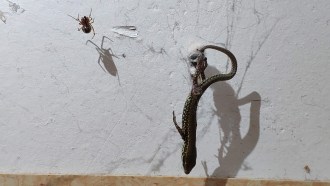
Tiny spider uses silk to lift prey 50 times its own weight
Dropping the right silk let’s a spider haul mice, lizards and other giants up off the ground.
- Animals
Butterflies use jet propulsion for quick getaways
If you have ever tried to catch a resting butterfly, you know they are surprisingly difficult to nab. A new study helps explain why.
- Animals
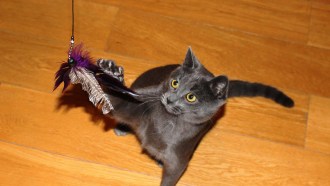
More playtime and meatier meals might reduce kitty kills
Keeping cats indoors is the best way to prevent them from killing wildlife. But small changes to diet and play can help, too.
- Health & Medicine
Some microbial hitchhikers may weaken body’s attack on COVID-19
New research identifies an altered mix of microbes in the body — ones commonly seen in people with poor diets — that may worsen coronavirus disease.