HS-ETS1-2
Design a solution to a complex real-world problem by breaking it down into smaller, more manageable problems that can be solved through engineering.
- Animals
To test for COVID-19, a dog’s nose can match a nose swab
Dogs can sniff out COVID-19 cases as well as PCR tests can — and are better at ID’ing cases having no symptoms, a new study finds.
- Tech
This robotic finger is covered in living human skin
The advance brings super realistic cyborgs one small step closer to reality.
- Health & Medicine
Joggers run at an energy-efficient pace, new data show
Fitness trackers and treadmill tests show that a runner’s speed tends to vary little, regardless of the distance they run.
- Science & Society
A new audio system confuses smart devices that try to eavesdrop
It works by playing soft, calculated sounds to help people protect their privacy from automatic speech-recognition systems.
- Science & Society
Teens’ new tech would send alerts to reduce preventable deaths
A trio of teen innovations created devices that can speed up the response time to pool accidents, overheating in cars and combat-related injuries.
- Climate
Coastal cities around the world are sinking, satellite data show
Of 99 coastal cities studied, nearly one-third are sinking. This leaves coastal communities increasingly vulnerable to rising seas.
- Earth
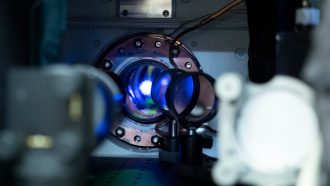
A new clock shows how gravity warps time — even over tiny distances
This clock measured how gravity changes the passage of time in different places — even spots just one millimeter apart.
- Agriculture
Here’s why cricket farmers may want to go green — literally
Crickets are great sources of protein, but they often kill each other in captivity. Green light could help solve the problem, two teens find.
- Chemistry
Reusable plastic bottles release hundreds of pollutants into water
Data show the plastic ends up tainting drinking water. For now, scientists don’t know what health risks downing these pollutants might pose.
- Environment
Bubbles could help remove trash from rivers
One young engineer devised a way to make bubbles sweep away the trash floating down a creek, like the one in her backyard.
- Plants
Electric shocks act like vaccines to protect plants from viruses
To protect crops against viruses in their home country of Taiwan, two teens invented a novel approach to fight blights.
- Animals
Smartphones can now bring Ice Age animals back to ‘life’
Scientists bring Ice Age creatures to life with augmented reality. You can view these creatures in your own world on a smartphone.