HS-ETS1-2
Design a solution to a complex real-world problem by breaking it down into smaller, more manageable problems that can be solved through engineering.
- Climate
Satellites find big climate threats — ultra-emitters of methane
Eyes in the sky show many of the worst methane emitters are in countries that produce a lot of oil and gas, such as Russia and the United States.
- Animals
These flying robots protect endangered wildlife
Flying drones make conservation work much easier. Around the world, drones and artificial intelligence help scientists study or protect endangered animals.
- Tech
Space trash could kill satellites, space stations — and astronauts
As private companies prepare to sprinkle space with tens of thousands of satellites, experts worry about the mushrooming threat of space junk.
- Animals
A new drug mix helps frogs regrow amputated legs
The treatment helped frogs grow working limbs useful for swimming, standing and kicking. It’ll be a while before people can do that.
- Chemistry
Clothes dryers may be a major source of airborne microplastics
Scientists thought washing machines were a leading contributor of microplastics. Now it appears dryers may be an even bigger problem.
- Animals
DNA in air can help ID unseen animals nearby
Analyzing these genetic residues in air offers a new way to study animals. It could give scientists a chance to monitor rare or hard to find animals.
- Animals
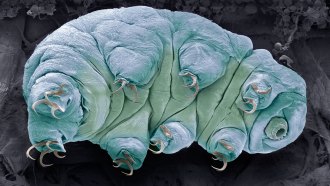
Living mysteries: Why teeny-weeny tardigrades are tough as nails
Tardigrades often live in cool, damp moss. Their cushy life has somehow prepared them to survive the lethal radiation of outer space.
- Brain
Nodding off may turn your creativity on
In an experiment, people who fell into a shallow sleep were more likely than non-sleepers or deep sleepers to discover a sly math trick.
- Ecosystems
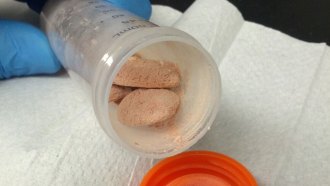
Recycling a climate-warming gas could make ‘greener’ farmed fish
Instead of warming the climate, methane gas can be collected to help farmers. Along the way, it may also save some fish.
- Life
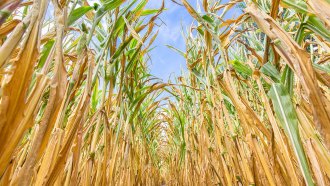
In blazing heat, some plants open leaf pores — and risk death
When heat waves and droughts collide, water is precious. Some thirsty plants try to cool off by opening tiny pores — only to lose water even faster.
- Chemistry
Snail slime + gold could boost the power of sunscreens and more
These two strange ingredients could make skin-care products that are better for both our skin and the environment.
- Materials Science
Analyze This: This material for 3-D printing is made by microbes
Bacteria with tweaked genes pump out proteins that can be used in a 3-D printer. With microbes in the mix, the living ink can make drugs or suck up chemicals.