HS-ETS1-2
Design a solution to a complex real-world problem by breaking it down into smaller, more manageable problems that can be solved through engineering.
- Chemistry
Cellulose may keep ice cream from turning gritty in your freezer
Adding nanocrystals extracted from wood avoids the growth of ice crystals, keeping your treat smooth and creamy.
- Materials Science
This new fabric can ‘hear’ sounds or broadcast them
With special fibers that convert tiny vibrations to voltages, a new fabric senses sound. Someday, such fabrics could monitor the body or aid hearing.
- Chemistry
New cloth cools you when you’re hot, warms you when you’re cold
Scientists 3-D printed the new fabric, which has even more tricks up its sleeve — such as conducting electricity and resisting radio waves.
- Chemistry
We all unknowingly eat plastic, which may host toxic pollutants
In the environment, plastics attract all types of toxic chemicals. If ingested, new data show, chemicals on those plastic bits may harm the gut.
- Materials Science
Engineers borrow a tree’s cellulose to toughen new materials
Cellulose gives plants their strength. Engineers are turning this renewable, environmentally friendly resource into brand new materials.
- Animals
Mosquitoes see red, which may be why they find us so appealing
Mosquitoes not only see colors, but also prefer certain ones, such as the hues of human skin.
- Life
Robots made of cells blur the line between creature and machine
Scientists are using living cells and tissue as building blocks to make robots. These new machines challenge ideas about robots and life itself.
- Tech
A new device uses atoms’ quantum weirdness to peer underground
Quantum sensors like this one could monitor magma beneath volcanoes or uncover archaeological artifacts.
- Chemistry
A disinfectant made from sawdust knocks out deadly microbes
It’s made by pressure-cooking sawdust and water, is cheap and easy to make — and could lead to greener cleaning products than chemicals used today.
- Health & Medicine
Sickle-cell gene therapies offer hope — and challenges
Doctor Erica Esrick discusses existing treatments and an ongoing clinical trial for a gene therapy to treat sickle cell disease.
- Archaeology
The earliest known pants are surprisingly modern — and comfy
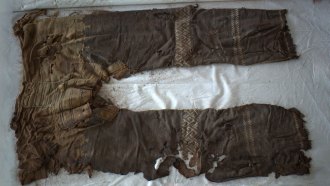
This 3,000-year-old garment was not only stylish but also functional. By recreating it, scientists also unraveled its complex and multicultural origins.
- Brain
Teen inventors say: There’s got to be a better way
Finalists in the 2022 Regeneron Science Talent Search are revamping prostheses, earthquake safety systems and air travel.