HS-ETS1-3
Evaluate a solution to a complex real-world problem based on prioritized criteria and trade-offs that account for a range of constraints, including cost, safety, reliability, and aesthetics, as well as possible social, cultural, and environmental impacts.
- Health & Medicine
Third major vaccine shows great promise against COVID-19
This vaccine, which may be easier to get to the public, appears to be 90 percent effective at halting disease and maybe spread of the new coronavirus.
- Materials Science
This artificial skin feels ‘ghosts’ — things you wish were there
Engineers have developed a wearable device that simulates the sense of touch. It may benefit robotic surgery and deep-sea exploration.
- Health & Medicine
Moderna vaccine for COVID-19 appears nearly 95 percent effective
A second coronavirus vaccine appears super effective in preventing people from being sickened by COVID-19.
- Health & Medicine
New Pfizer vaccine appears 90 percent effective against COVID-19
Preliminary finds show one of the new coronavirus vaccines appears 90 percent effective at reducing symptomatic COVID-19 infections.
- Chemistry
Ordinary paper turns into flexible human-powered keypad
Engineers have figured out how to turn sheets of paper into rugged, low-cost electronic devices, such as a computer keypad.
- Materials Science
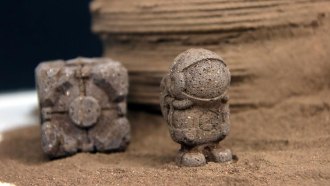
Analyze This: Insect shells could help builders on Mars
When mixed with rocky soil, a compound called chitin makes a strong material. It could be pulled from the shells of insects used for food.
- Brain
Many student athletes face risk of concussions that heal slowly
High school girls and those with a history of concussions appear to take longest to recover.
- Materials Science
‘Frozen smoke’ could protect electronics from annoying static
A fluffy material made from cellulose nanofibers and silver nanowires can protect electronic devices by blocking more than 99.99 percent of disrupting interference, a new study reveals.
- Physics
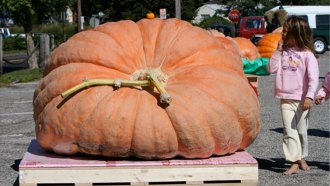
Here’s how giant pumpkins get so big
Cinderella took a ride in a pumpkin coach. Though real pumpkins do get big enough, here’s why their ride would be uncomfortable at best.
- Climate
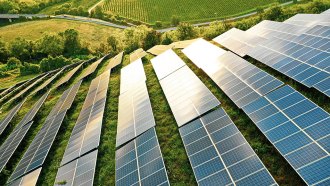
Let’s learn about solar power
Solar power is a way to harness energy from the sun, and lessen our reliance on fossil fuels.
- Genetics
Gene editing can alter body fat and may fight diabetes
Researchers have long dreamed of using brown fat to fight obesity and diabetes. Work in animals shows they’re closing in on achieving that dream.
- Health & Medicine
Surviving Mars missions will take planning and lots of innovation
Astronauts that go to Mars will need protection from microgravity and radiation, plus mini-medical devices to diagnose problems and manage emergencies.