Animals
Some Antarctic fish arrange their nests into odd shapes
Scientists found nests organized into curves, clusters and ovals on the Antarctic seabed. Such groupings may protect the fish eggs from predators.
By Carly Kay
Being struck by lightning is usually bad. But for one tropical tree, a mighty zap can kill rivals and parasitic vines.
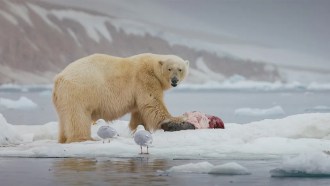
Polar bears have been exposed to more viruses, bacteria and parasites in recent decades, a new study shows. These may come from their diet.
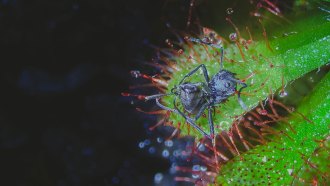
Insects stuck in sundews’ sticky goo break down faster when the plants host an enzyme-making fungus.
A recent expedition to undersea mountain ranges off the coast of Chile revealed a new seamount and a rich world of deep-sea biodiversity.
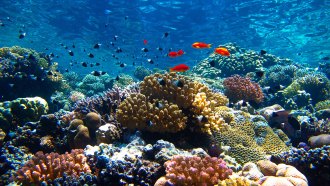
Shading coral reefs during the sunniest part of the day may help corals survive marine heat waves.
Earth’s ongoing fever threatens to push entire forests toward this heat limit — and possible death.
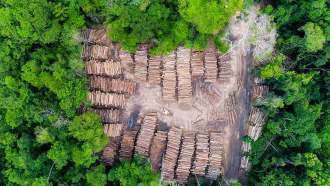
Although many of the world's forests have gotten less fragmented since 2000, tropical forests have gotten more chopped up, putting animals at risk.
Once rare, the viral disease monkeypox exploded onto the global scene for the first time in 2022.
Now that monkeypox has spread to a dog, researchers fear other species could help the virus become widespread outside of Africa for the first time.