MS-ETS1-2
Evaluate competing design solutions using a systematic process to determine how well they meet the criteria and constraints of the problem.
- Chemistry
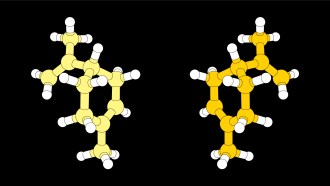
Chemists win Nobel Prize for faster, cleaner way of making molecules
Both scientists independently came up with new process — asymmetric organocatalysis. That name may be a mouthful, but it’s not that hard to understand.
- Brain
A sense of touch could upgrade virtual reality, prosthetics and more
Scientists and engineers are trying to add touch to online shopping, virtual doctor appointments and artificial limbs.
- Tech
Synthetic trees could tap underground water in arid areas
They also could also help coastal residents mine fresh water from salty sources.
- Animals
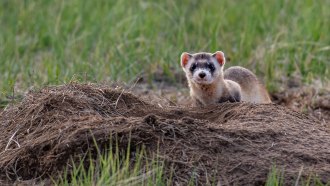
Cloning boosts endangered black-footed ferrets
A cloned ferret named Elizabeth Ann brings genetic diversity to a species that nearly went extinct in the 1980s.
- Brain
Scientists Say: Haptic
Haptic is an adjective used to describe things related to our sense of touch.
- Materials Science
Tiny swimming robots may help clean up a microplastics mess
Big problem, tiny solution. Researchers in the Czech Republic have designed swimming robots that can help collect and break down microplastics.
- Climate
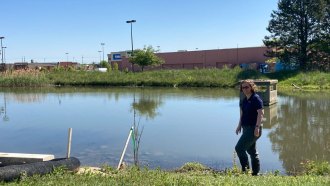
Stores and malls buy into ponds and rain gardens for flood control
An extra bonus: These rainy-day ponds clean up that dirty water running off parking lots.
- Brain
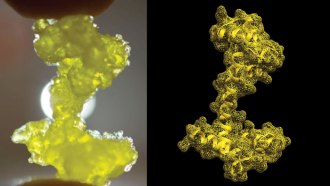
Father-son bond inspires sweets that model the shapes of molecules
These bite-sized gummy candies could spark interest in the world of chemistry, especially among students who can’t see.
- Health & Medicine
Will we all need COVID-19 booster shots?
Experts say not yet, but booster vaccines may be coming as new SARS-CoV-2 virus variants keep emerging.
- Chemistry
Sleep-friendlier lighting is on the way
Chemists have created a new glowing material for LEDs. It should lessen how much near-bedtime lighting impairs your ability to nod off.
- Materials Science
‘Smart’ pasta morphs into fun shapes as it cooks
The trick to this shape-shifting are grooves cut into the raw pasta. Those grooves affect how the noodles swell as they cook.
- Environment
Pond scum can release a paralyzing pollutant into the air
New study finds blooms of blue-green algae can seed the air with a poisonous pollutant.