MS-ETS1-3
Analyze data from tests to determine similarities and differences among several design solutions to identify the best characteristics of each that can be combined into a new solution to better meet the criteria for success.
- Health & Medicine
Moderna vaccine for COVID-19 appears nearly 95 percent effective
A second coronavirus vaccine appears super effective in preventing people from being sickened by COVID-19.
- Health & Medicine
New Pfizer vaccine appears 90 percent effective against COVID-19
Preliminary finds show one of the new coronavirus vaccines appears 90 percent effective at reducing symptomatic COVID-19 infections.
- Chemistry
Ordinary paper turns into flexible human-powered keypad
Engineers have figured out how to turn sheets of paper into rugged, low-cost electronic devices, such as a computer keypad.
- Materials Science
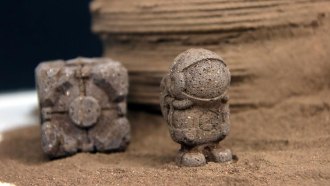
Analyze This: Insect shells could help builders on Mars
When mixed with rocky soil, a compound called chitin makes a strong material. It could be pulled from the shells of insects used for food.
- Genetics
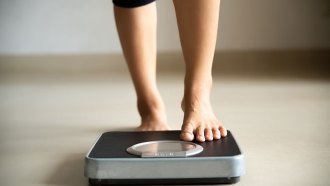
Gene editing can alter body fat and may fight diabetes
Researchers have long dreamed of using brown fat to fight obesity and diabetes. Work in animals shows they’re closing in on achieving that dream.
- Agriculture
Student scientists work to help all of us survive a warmer world
From glaciers in the refrigerator to a rover in the field, here’s how young scientists are looking to help us adapt to climate change.
- Physics
This high-tech sweeper is designed for super-clingy moon dust
An electron beam is the newest tool being developed to remove sticky and damaging lunar dust from surfaces.
- Chemistry
How to recycle ‘nonrecyclable’ plastics
A new process can convert some nonrecyclable plastics into a type that now can be reused. That could greatly cut down on wastes sent to landfills.
- Health & Medicine
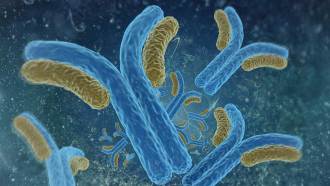
A glowing new way to measure antibodies
Researchers invent a way to detect and measure antibodies with glowing proteins. Antibodies can mark exposure to various diseases.
- Archaeology
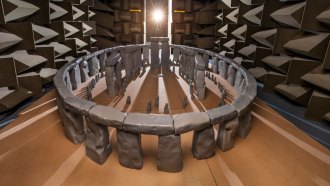
Stonehenge enhanced voices and music within the stone ring
Scientists built a 'Stonehenge Lego' model in a sound chamber to study how sound would have behaved in the ancient stone circle.
- Brain
A secret of science: Mistakes boost understanding
Everyone makes mistakes. It turns out that how you view them says a lot about how — and how much — you’ll learn.
- Brain
A bit of stress may help young people build resilience
A comfortable life may sound fun but may not be so healthy in the long run. A study in monkeys shows there may be a ‘sweet spot’ when it comes to stress.