MS-ETS1-3
Analyze data from tests to determine similarities and differences among several design solutions to identify the best characteristics of each that can be combined into a new solution to better meet the criteria for success.
- Physics
Nuclear clocks are nearly here
More precise clocks could improve technologies such as GPS and help scientists test major ideas in science.
- Brain
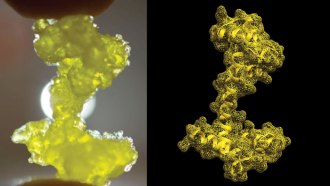
Father-son bond inspires sweets that model the shapes of molecules
These bite-sized gummy candies could spark interest in the world of chemistry, especially among students who can’t see.
- Computing
Will this smartphone app become your exercise coach?
When one teen couldn’t go to the gym, she invented an app to bring her gymnastics coach to her home. She succeeded and won a major award for it.
- Life
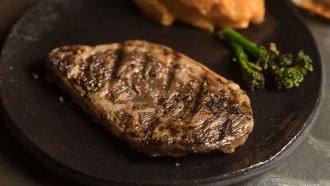
No animal died to make this steak
The ribeye steak is the first of its kind, and the latest in a growing list of meats printed with a 3-D bioprinter instead of being harvested from an animal.
- Chemistry
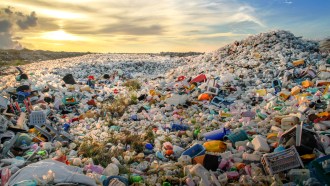
New recycling technologies could keep more plastic out of landfills
Recycling plastics is really hard — especially into useful materials. But new chemical tricks could make recycling easier.
- Health & Medicine
Bandages made from crab shells speed healing
The chitin in seafood wastes, insect “bones” and fungi is a chemist’s dream. Used in a new medical dressing, it beats regular gauze for wound healing.
- Health & Medicine
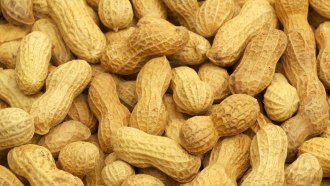
Could a toothpaste help treat peanut allergy?
By rolling an immune therapy into a toothbrushing routine, one company hopes to show its product can build and maintain tolerance to peanut allergens.
- Animals
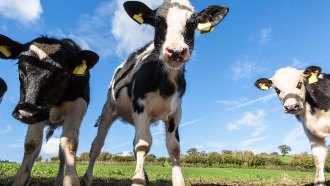
Analyze This: Cows burp less methane after early-life treatment
Calves that receive the 14-week treatment belch less of the greenhouse gas, possibly due to shifts in their gut microbes.
- Brain
Scientists may have finally found how catnip repels insects
The plant deters mosquitoes and fruit flies by triggering a chemical receptor that, in some animals, senses pain and itch.
- Math
Explainer: What is statistics?
Scientists use statistics to design studies, analyze data and evaluate uncertainty. You’ll find it in biology, climate change, medicine and more.
- Science & Society
Machine learning includes deep learning and neural nets
By combining patterns found in mountains of data with information gleaned from mistakes, these computer programs expand their artificial intelligence.
- Health & Medicine
When COVID-19 comes for your science fair
When labs shut down due to COVID-19, teens took their science fair projects to the internet and … sometimes even to the bathroom.