MS-ETS1-3
Analyze data from tests to determine similarities and differences among several design solutions to identify the best characteristics of each that can be combined into a new solution to better meet the criteria for success.
- Animals
These flying robots protect endangered wildlife
Flying drones make conservation work much easier. Around the world, drones and artificial intelligence help scientists study or protect endangered animals.
- Animals
A new drug mix helps frogs regrow amputated legs
The treatment helped frogs grow working limbs useful for swimming, standing and kicking. It’ll be a while before people can do that.
- Physics
Explainer: Telescopes see light — and sometimes ancient history
Different kinds of telescopes on Earth and in space help us to see all wavelengths of light. Some can even peer billions of years back in time.
- Materials Science
Analyze This: This material for 3-D printing is made by microbes
Bacteria with tweaked genes pump out proteins that can be used in a 3-D printer. With microbes in the mix, the living ink can make drugs or suck up chemicals.
- Chemistry
Could reusable ‘jelly ice’ cubes replace regular ice?
These hydrogel “jelly ice cubes” are made mostly of gelatin and water. They won’t melt, even when thawed, and may provide new food cooling options.
- Animals
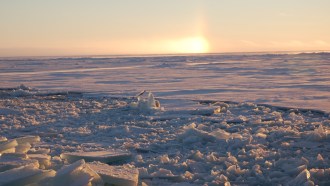
Can scientists develop an icy sanctuary for Arctic life?
The final refuge for summer sea ice may also protect the creatures that depend on it. Saving it is an ambitious goal with many hurdles.
- Chemistry
This glitter gets its color from plants, not a synthetic plastic
In the new material, tiny arrangements of cellulose reflect light in specific ways to create vibrant hues in an environmentally friendly glitter.
- Earth
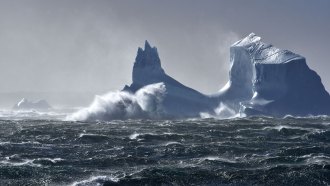
From icebergs to smoke, forecasting where dangers will drift
Smoke drifts. Fish eggs float downstream. Where such drifting things end up may seem a mystery. But research can predict where they’ll end up.
- Microbes
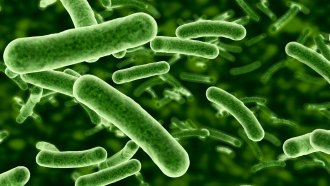
Genes point to how some bacteria can gobble up electricity
A new study shows how some microbes absorb and release electrons — a trait that may point to new fuels or ways to store energy.
- Tech
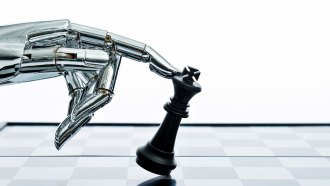
Easy for you, tough for a robot
Robots still can’t do many things that we find easy. Can engineers reduce how klutzy robots are and boost their common sense?
- Physics
Future cars may offer personal sound zones — no earphones needed
Zones that offer each passenger personal listening are closer to reality. A new design improves performance by adapting to the conditions in your car.
- Humans
Researchers role-played as Neandertals to learn how they hunted birds
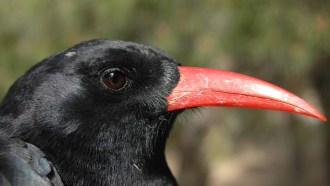
By pretending to be Neandertals, researchers show that the ancient hominids likely had the skills to hunt crowlike birds called choughs.